Work-Life Balance Tips: Smart Ways to Stay Productive and Protect Your Well-Being
Learn practical tips to improve your work-life balance, boost productivity, and prevent burnout while enjoying more time, energy, and peace of mind
LIFE MANAGEMENTMOST RECENT


Table of Contents:
What Is Work–Life Balance?
Assessing Your Current Work-Life Balance
Effective Time Management Strategies
Setting Boundaries
Enhancing Physical and Mental Well-being
Creating a Supportive Work Environment
Balancing Personal Growth and Professional Development
Conclusion
In the hustle and bustle of modern life, the modern work environment, and the constant connectivity provided by technology, the lines between work and personal life have blurred, making it difficult for many to disconnect and recharge.
The concept of work-life balance has gained significant importance as it allows individuals to thrive in their careers while enjoying quality personal time, but it often feels like an impossible goal.
Living a balanced life means devoting enough time and energy to professional responsibilities and personal well-being to ensure that neither is neglected. Achieving this balance is important for several reasons:
Improved Mental Health
Chronic stress and burnout are common consequences of an unbalanced life. Prioritizing work-life balance helps reduce stress levels and promotes better mental health, leading to increased productivity and job satisfaction.
Enhanced Physical Well-being
Neglecting personal health in favor of work can lead to physical ailments. Regular exercise, adequate sleep, and a healthy diet are essential components of a balanced life and contribute to overall well-being.
Stronger Relationships
Quality time with loved ones is essential to maintaining relationships. Achieving work-life balance ensures that individuals can invest time in building and maintaining meaningful connections with family and friends.
Increased Productivity and Creativity
A well-rested and mentally healthy individual is more likely to be productive and innovative at work. Taking breaks and engaging in recreational activities can enhance creativity and problem-solving skills.
Personal Fulfillment
Pursuing hobbies and personal interests outside of work provides a sense of fulfillment and satisfaction. It allows individuals to explore their passions, which can lead to a more enriched and purposeful life.
By understanding the importance of work-life balance and implementing practical strategies, busy professionals can achieve a more harmonious and fulfilling life. This article provides a comprehensive guide to assessing your current work-life balance, effective time management strategies, setting boundaries, improving well-being, creating a supportive work environment, and much more.
What Is Work–Life Balance?
Before embarking on a journey to improve your work-life balance, it's important to understand where you currently stand. This self-assessment will help you identify areas that need improvement and pave the way for effective strategies to achieve a better work-life balance.
Identifying Stressors and Signs of Burnout
Stress and burnout are key indicators of an unbalanced life, and identifying the sources of stress and understanding the signs of burnout is the first step in addressing these issues.
Common Work-related Stressors:
Heavy workload: Excessive tasks and responsibilities lead to feelings of being overwhelmed.
Long working hours: Spending extended hours at work reduces the time for personal activities.
High pressure: Constantly working under tight deadlines and high expectations creates stress.
Lack of control: Feeling powerless over decisions and tasks contributes to stress.
Signs of Burnout:
Emotional exhaustion: Feeling drained, both physically and emotionally.
Degradation of personality: Developing a negative attitude toward work and colleagues.
Reduced performance: Decreased productivity and efficiency at work.
Assessing Time Management Skills
To achieve a healthy work-life balance, effective time management is essential. Assessing how you manage your time can reveal areas that need improvement.
Analyze Daily Activities:
Track your time: Keep a journal of how you spend your time each day, including work and personal activities.
Identify time-wasters: Identify activities that consume time without adding value, such as excessive use of social media or unnecessary meetings.
Prioritize and Set Goals:
Set priorities: Determine which tasks are most important and require immediate attention.
Set SMART goals: Set specific, measurable, achievable, relevant, and time-bound goals to stay focused and organized.
Use Tools and Techniques:
Time management tools: Use apps and tools that help you manage your time more effectively, such as calendars, task managers, and timers.
Techniques: Implement strategies such as the Pomodoro Technique or time blocking to optimize productivity and better manage time.
Self-reflection and Feedback
Regular self-reflection and seeking feedback from others can provide valuable insights into your work-life balance.
Self-Assessment:
Reflect on your successes and challenges: Take time to evaluate your successes and the obstacles you face in balancing work and life.
Set aside time for reflection: Set aside regular time to review your progress and make necessary adjustments.
Seek Feedback:
Ask for input: Reach out to colleagues, managers, friends, and family to get their perspective on your work-life balance.
Constructive criticism: Be open to constructive feedback and use it to make informed changes.
By thoroughly assessing your current work-life balance, you can identify the specific areas that need attention and develop a personalized plan to achieve a more balanced and fulfilling life.
Assessing Your Current Work-Life Balance
Mastering time management is critical for busy professionals seeking work-life balance. By implementing the following effective strategies, you can maximize productivity, reduce stress, and allocate time for both work and personal activities.
Prioritize Tasks
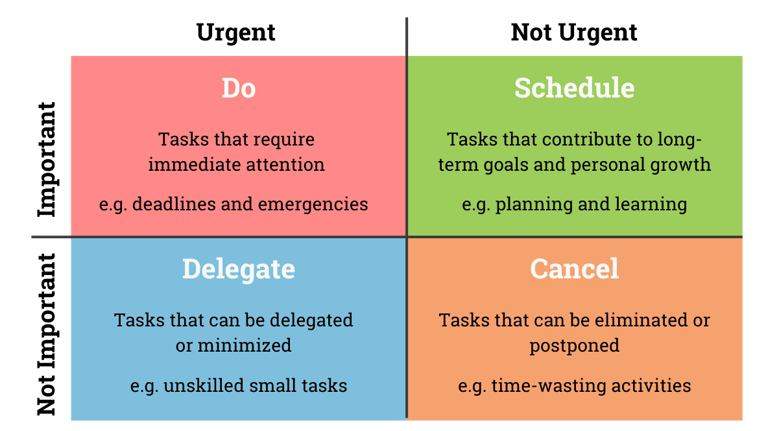
Proper task prioritization helps you focus on what matters most and make the most of your time. Use the Eisenhower Matrix to divide tasks into categories based on their urgency and importance
Quadrant 1- Urgent and Important
Tasks that require immediate attention (e.g., deadlines, emergencies).
Quadrant 2- Important but Not Urgent
Tasks that contribute to long-term goals and personal growth (e.g., planning, learning).
Quadrant 3- Urgent but Not Important
Tasks that can be delegated or minimized (e.g., unskilled small tasks).
Quadrant 4- Neither Urgent nor Important
Tasks that can be eliminated or postponed (e.g., time-wasting activities).
Start your day by tackling tasks that are both urgent and important to maximize productivity.
Effective Time Management Strategies
The Eisenhower Matrix
Set SMART Goals
Specific: Clearly define the goal.
Measurable: Establish criteria to measure progress.
Achievable: Set realistic and attainable goals.
Relevant: Make sure the goal is aligned with your overall goals.
Time-bound: Set a specific deadline for completion.
Clear goals and deadlines help maintain focus and prevent procrastination.
Break Down Large Projects
Break down large projects into small, manageable tasks to avoid feeling overwhelmed.
Set milestones to track and evaluate your progress and stay motivated.
Use productivity tools and applications to improve time management and stay organized. For example:
Trello: A visual tool to help you organize your tasks and projects
Asana: A project management app that lets you track tasks, set deadlines, and collaborate with team members.
Google Calendar: Schedule events, set reminders, and sync across devices for seamless planning.
Microsoft Outlook: Integrate email, calendar, and tasks to stay organized and manage time effectively.
Toggl: Track time spent on tasks and analyze productivity patterns.
RescueTime: Monitor time spent on digital devices and identify areas for improvement.
Delegate Effectively
Identify Delegable Tasks
Routine Tasks: Tasks that are repetitive and time-consuming but can be performed by others (e.g., administrative tasks).
Specialized Tasks: Tasks that require specific expertise that team members possess (e.g., technical tasks).
Choose the Right Person
Identify the required skills and experience, then select team members with the appropriate skills and expertise for the task.
Provide clear instructions and make sure the person understands the task, expectations, and deadlines.
Trust and Empower
Trust your team to complete the tasks independently and provide them with the necessary resources and authority.
Monitor and review progress regularly and provide support as needed without micromanaging.
By implementing these effective time management strategies, you can optimize your productivity, reduce stress, and achieve a healthier work-life balance.


Creating clear boundaries between work and personal life is essential to maintaining a healthy work-life balance. Boundaries help ensure that both areas get the attention they deserve.
Separating Work and Personal Life
Maintaining a clear separation between work and personal life is critical to mental and emotional well-being.
If You Work from Home (Remotely)
Designate a Workspace (Home Office): Set up a dedicated workspace to create a physical boundary between work and personal life. Choose a location away from common living areas to minimize distractions and interruptions.
Set Work Hours: Set regular work hours and stick to them to create a routine. Develop an end-of-day ritual to signal the end of the workday, such as shutting down your computer or taking a walk.
If You Work Outside Home (On-Site)
Leave Work at the Office: Complete work tasks at the office and avoid bringing work home.
Turn Off Work Devices: Turn off work-related devices outside work hours to avoid interruptions.
Learning to Say No
Saying no is a powerful tool for protecting your time and boundaries. You are already saying no when you
Prioritize Commitments
Evaluate Requests: Evaluate requests based on their importance and alignment with your goals.
Set boundaries: Set your boundaries and be clear about what you can and cannot do.
Communicate Clearly
Be Direct and Polite: Politely decline requests that do not fit your schedule or priorities.
Provide Alternatives: Offer alternative solutions or suggest someone else who might be able to help.
Be Assertive
Assertiveness protects your boundaries. Set limits and stick to them.
Managing Work Interruptions
Managing work interruptions helps maintain focus and productivity, and protect boundaries.
Minimize Distractions
Set Do Not Disturb: Use "Do Not Disturb" settings on devices to minimize interruptions during focused work time.
Manage Notifications: Turn off non-essential notifications to reduce distractions.
Communicate Boundaries with Colleagues
Set Expectations: Communicate your availability and boundaries with colleagues and managers.
Respect Others' Boundaries: Respect the boundaries of your colleagues and foster a culture of mutual respect.
Handle Interruptions Gracefully
Address Immediate Situations: If an interruption is urgent, address it immediately and return to your task as soon as possible.
Schedule Follow-ups: For non-urgent matters, schedule a time to follow up later.
Creating Personal Boundaries
Personal boundaries help ensure that you have time for yourself and your loved ones.
Prioritize Self-care
Schedule Me Time: Set aside time for activities that rejuvenate and relax you.
Practice Self-compassion: Be kind to yourself and recognize the importance of self-care.
Protect Personal Time
Set Personal Time Blocks: Set aside specific time blocks of time for personal activities and stick to them.
Inform Others: Let family and friends know about your personal time commitments to gain their support.
Balance Commitments
Avoid Over-scheduling: Be mindful of overcommitment and leave room for relaxation and spontaneity.
Evaluate Priorities: Evaluate your commitments regularly and adjust them to maintain balance.
Setting Boundaries
Maintaining physical and mental well-being is essential to achieving a sustainable work-life balance. By prioritizing health and wellness, busy professionals can improve their overall quality of life, increase productivity, and reduce stress.
Sleep
A good night's sleep is essential for your physical and mental health and emotional well-being. Getting enough rest can also significantly impact work-life balance.
Establish a Sleep Routine
Sleep Routine: Establish a consistent sleep schedule by going to sleep and waking up at the same time every day, including weekends.
Bedtime Ritual: Develop a relaxing pre-sleep routine, such as reading or a warm bath, to signal your body that it's time to rest.
Optimize The Sleep Environment
Comfortable Bedding: Invest in a comfortable mattress and pillows to support restful sleep.
Control Light and Noise: Use blackout curtains and white noise machines to create a quiet, dark sleep environment.
Limit Screen Time: Avoid screens (phones, tablets, computers) at least an hour before bedtime to reduce exposure to blue light.
Manage Sleep Disruptors
Limit Caffeine and Alcohol: Caffeine and alcohol can affect sleep quality, so avoid them just before bedtime.
Exercise Regularly: Get regular physical activity, but avoid vigorous exercise too close to bedtime.
Nutrition
Nutrition plays a critical role in maintaining physical health, mental clarity, and overall well-being. Adopting healthy eating habits has a significant impact on your energy levels and productivity.
Balanced Diet
Food Groups: Ensure your diet includes a variety of food groups, such as fruits, vegetables, whole grains, lean proteins, and healthy fats.
Portion Control: Maintain portion control to avoid overeating and maintain a healthy weight.
Hydration: Drink plenty of water throughout the day. This will help keep you hydrated and support your body functions.
Meal Planning and Preparation
Plan Ahead: Create a weekly meal plan to ensure you have nutritious meals and snacks ready.
Prepare in Advance: Cook and prepare meals in advance to save time during busy workdays.
Healthy Snacks: Keep healthy snacks like nuts, yogurt, and fresh fruit on hand to maintain energy levels between meals.
Exercise
Incorporating regular physical activity into your daily routine is essential for physical and mental health.
Types of Exercise
Cardio Exercise: Activities such as running, biking, or swimming increase heart rate and improve cardiovascular health.
Strength Exercises: Activities such as weight lifting or bodyweight exercises build muscle strength and endurance.
Flexibility and Balance Exercises: Activities such as yoga or meditation improve flexibility, balance, and overall body awareness.
Creating a Fitness Routine
Schedule Your Workouts: Designate specific times to exercise in your daily or weekly schedule to ensure consistency.
Mix It Up: Include a variety of exercises to work different muscle groups and to keep your routine interesting.
Start Small: Begin with short, manageable workouts and gradually increase intensity and duration.
Movement Throughout the Day
Take Breaks: Schedule short breaks throughout the workday to stand up, stretch, and move around.
Use Active Transportation: Walk or bike to work, or park farther away to increase your daily steps.
Desk Exercises: Perform simple exercises such as seated leg lifts or shoulder rolls to stay active at your desk.
Managing Stress
Mindfulness and relaxation techniques can help manage stress and improve mental well-being.
Mindfulness Practices
Meditation: Practice mindfulness meditation to focus on the present moment and reduce stress.
Deep Breathing: Practice deep breathing exercises to calm the mind and relax the body.
Mindful Eating: Pay attention to eating, savoring each bite, and being present in the moment.
Mindful Walking: Focus on the sensations of each step and your surroundings.
Mindfulness Breaks: Take short mindfulness breaks throughout the day to reset and refocus.
Relaxation Techniques
Nature: Take a walk in the park, hike in the mountains, or just spend time outdoors. Nature has a calming effect on the mind and body, reducing stress and promoting relaxation.
Art: Participating in creative activities such as drawing, painting, or coloring can be a therapeutic outlet for emotions and can reduce stress and anxiety.
Enhancing Physical and Mental Well-being
A supportive and positive work environment is essential for personal and professional growth. It contributes to job satisfaction, productivity, and overall well-being, and can significantly improve work-life balance. You can create a supportive work environment through
Communication
Practical, open, and honest communication helps address concerns and ensures that everyone's needs are being met. Be clear and specific about your work-life balance needs and expectations, and discuss your workload and any challenges in managing your responsibilities with your employer and colleagues.
Ask for Support
Don't hesitate to ask for help or delegate tasks when needed. In turn, foster a culture of mutual support by offering help to colleagues when they need it.
Remote Work and Flexible Schedule Options
Flexible work arrangements can greatly contribute to work-life balance by giving employees the freedom to manage their time effectively. Remote work offers flexibility, reduces commuting time, and allows for a better work-life balance. Flexible schedules, such as flexible start and end times and compressed workweeks, can better accommodate personal commitments.
Creating a Supportive Work Environment
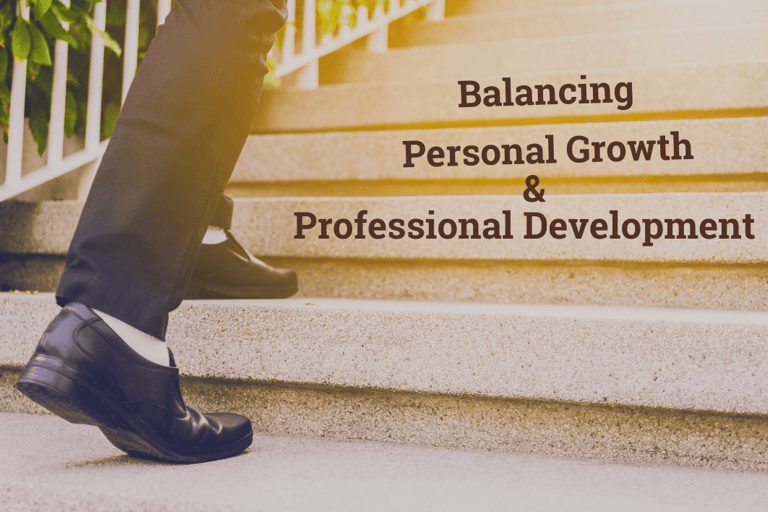
Achieving work-life balance means managing work and personal time and finding ways to grow professionally and personally. Busy professionals can lead more fulfilling and well-rounded lives by continuing education and learning, pursuing hobbies, and making time for family and friends.
Continuing Education and Skills Development
Education and learning are essential for career advancement and personal growth. Investing in your education and skills development can open new opportunities and enhance your abilities.
Formal Education
Advanced Degrees: Consider pursuing an advanced degree, such as a master's or doctoral program, to deepen your knowledge and expertise in your field.
Certifications: Earn industry-recognized certifications to enhance your skills and build your resume.
Professional Development Courses
Online Courses: Enroll in online courses and webinars to learn new skills and stay on top of industry trends. You can find a wide range of courses on platforms such as Coursera, Udemy, and LinkedIn Learning.
Workshops and Seminars: Attend workshops, seminars, and conferences to gain practical knowledge and network with professionals in your industry.
Self-directed Learning
Reading: Read books, articles, and journals related to your field to stay informed and gain new insights.
Listening: Listen to educational podcasts and watch videos on topics relevant to your career and personal interests.
Pursuing Hobbies and Interests
Pursuing hobbies and interests outside of work is critical to maintaining a balanced life. Hobbies provide a creative outlet, reduce stress, and contribute to overall well-being.
Identify Hobbies
Explore Interests: Think about activities you enjoy and explore new interests you've always wanted to try.
Join Clubs and Groups: Connect with like-minded people by joining clubs, groups, or communities related to your hobbies.
Schedule Time for Hobbies
Schedule Regular Activities: Set aside specific times each week to engage in your hobbies and make them a priority in your routine.
Combine Activities: Find ways to combine hobbies with other activities, such as exercising while listening to an audiobook or painting while spending time with family.
Balancing Hobbies with Work
Set Boundaries: Make sure your hobbies don't interfere with your work responsibilities by setting clear boundaries and managing your time effectively.
Use Hobbies as a Break: Take short breaks during the workday to engage in a hobby, which can help you recharge and increase productivity.
Scheduling Quality Time with Family and Friends
Spending quality time with loved ones is essential to nurturing relationships and achieving work-life balance. Prioritizing these connections can provide emotional support and strengthen bonds.
Plan Regular Activities
Family Outings: Plan regular outings or activities with family members, such as weekend trips, movie nights, or game nights.
Social Gatherings: Organize get-togethers with friends, such as dinners, picnics, or outdoor adventures, to stay connected and create memories.
Prioritize Communication
Stay in Touch: Use technology to stay in touch with family and friends, especially if they live far away. Regular phone calls, video chats, and messages can help maintain strong connections.
Active Listening: Practice active listening during conversations with loved ones to show that you value their thoughts and feelings.
Work-life Integration
Involve Family in Activities: Involve family members in activities that you enjoy, such as cooking together, gardening, or exercising.
Share Work Achievements: Share your work achievements and challenges with family and friends to keep them informed and involved in your professional life.
Balancing Personal Growth and Professional Development
Achieving work-life balance may seem daunting, but remember that small, consistent changes can lead to significant improvements. Start by assessing your current situation and identifying areas that need attention. Implement one or two strategies at a time and build on your progress gradually. Celebrate when you succeed and learn from when you fail.
Work-life balance is not a one-size-fits-all concept. What may work with some may not work with others. It's important to find a balance that fits your unique needs, values, and goals. Flexibility and adaptability are key to maintaining this balance, especially as circumstances and priorities change over time.
Remember that achieving work-life balance is about creating a fulfilling and meaningful life, both professionally and personally. By prioritizing your well-being, setting boundaries, and making conscious choices, you can achieve a sustainable work-life balance that allows you to thrive in all areas of your life.
Conclusion

Watch: In this practical TED talk series, Ashley Whillans presents three clear, research-backed rules for achieving better work-life balance. The talk explains how setting boundaries, rethinking time use, and making intentional choices can help protect well-being while maintaining productivity.