Top Nutrition Tips to Boost Your Energy and Stay Focused All Day
Learn what to eat to naturally boost your energy, avoid crashes, and stay productive from morning to night with smart, sustainable nutrition tips
HEALTH & WELLNESSMOST RECENT
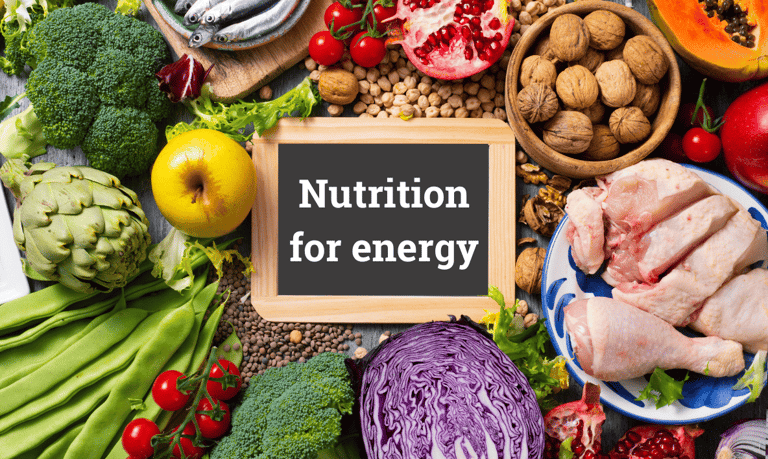
Table of Contents:
The Nutrition–Energy Connection
Understanding Energy Needs
Macronutrients for Energy
Micronutrients and Their Impact on Energy
Hydration and Energy Levels
Meal Planning for Optimal Energy
Nutritional Strategies for Different Life Stages
Common Myths and Misconceptions
Practical Tips for Maintaining a Balanced Diet
Conclusion
Maintaining high energy levels is essential to accomplishing daily tasks and achieving our goals. Whether you're an athlete, a busy professional, or simply someone who wants to feel more energetic and active, understanding the role of nutrition in energy production is key to optimizing your vitality.
The food we eat serves as the primary source of fuel for our bodies. Just as a car needs the right kind of fuel to run efficiently, our bodies need a balanced diet to function at their best. Proper nutrition provides the necessary nutrients that fuel our cells, support bodily functions, and keep us energized throughout the day. Without a balanced intake of nutrients, we can experience fatigue, decreased productivity, and a lack of overall well-being.
A balanced diet includes a variety of foods in the right proportions to provide the essential nutrients our bodies need. These nutrients include macronutrients (carbohydrates, proteins, and fats) and micronutrients (vitamins and minerals). They play different roles in metabolism and staying healthy.
Hydration is also an important part of the maintenance of energy levels. Water is essential for several bodily functions, including temperature regulation, nutrient transport, and waste elimination.
By understanding and implementing the principles of a balanced diet, we can increase our energy levels, improve our overall health, and achieve optimal vitality. This article explores the components of a balanced diet and the specific nutrients that contribute to energy production, and provides practical tips for incorporating these principles into your daily life.
The Nutrition–Energy Connection
To effectively fuel your body for optimal vitality, it's important to understand your unique energy needs. These needs can vary widely based on several factors, including age, gender, activity level, and overall health. By tailoring your diet to meet these needs, you can ensure that you have the energy you need to perform your daily activities with vigor.
Daily Caloric Needs
Daily caloric needs refer to the calories your body needs to maintain weight and support daily functions. These needs can vary from person to person, and understanding them is important for maintaining energy balance. Average daily caloric needs are as follows:
Adult Women: 1,800-2,400 calories daily
Adult Men: 2,200-3,000 calories daily
These figures may vary based on factors such as age, metabolism, and physical activity level. For example, individuals with higher activity levels or those who exercise vigorously may require more calories to meet their energy needs.
Factors Influencing Energy Needs
Age: As we age, our metabolic rate tends to decrease, resulting in a lower caloric requirement. Children and teenagers, on the other hand, have higher energy needs to support growth and development.
Gender: Men generally have a higher muscle mass than women, which can result in higher energy needs. However, individual variations play a significant role in determining caloric requirements.
Activity Level: Physical activity is a major determinant of energy needs. Sedentary individuals require fewer calories than those who exercise regularly or have physically demanding jobs. Understanding your activity level can help you adjust your caloric intake accordingly. Here are some activity-level classifications:
Sedentary: Little to no exercise
Lightly Active: Light exercise or daily activities
Moderately Active: Regular moderate exercise or physical activity
Very Active: Intense exercise or physical work
Body Composition: Muscle tissue burns more calories than fat tissue, both during exercise or work and at rest. Therefore, individuals with a higher muscle mass may have increased energy needs.
Health Conditions: Certain medical conditions, such as thyroid disorders or chronic illnesses, can affect your metabolic rate and energy requirements. It's important to consider these factors when determining your caloric needs.
By understanding your unique energy requirements and the factors that influence them, you can make informed dietary choices that support your overall well-being.
Understanding Energy Needs


Macronutrients are the body's primary sources of energy. They include carbohydrates, proteins, and fats. Each of these macronutrients plays a unique role in energy production and overall health. Let's take a closer look at how each of these macronutrients contributes to our vitality.
Carbohydrates: The Primary Fuel
Carbohydrates are the body's primary source of energy. They are broken down into glucose, which is used by our cells for immediate energy, or stored in the liver and muscles as glycogen for later use.
Main types of carbohydrates:
Simple Carbohydrates: These are quick sources of energy and are found in foods such as fruits, honey, and refined sugars. While they can provide a quick energy boost, they can also cause rapid spikes and drops in blood sugar levels.
Complex Carbohydrates: These provide a more sustained release of energy and are found in foods such as whole grains, vegetables, and legumes. They are rich in fiber, which aids in digestion and helps maintain steady blood sugar levels.
Healthy Sources of Carbohydrates:
Whole grains (brown rice, quinoa, oats)
Vegetables (sweet potatoes, carrots, broccoli)
Fruits (bananas, berries, apples)
Legumes (beans, lentils, chickpeas)
Proteins: Building and Repairing Tissues
Proteins are essential for the building and repair of tissues, including muscles. They also play a critical role in metabolic processes and the production of enzymes and hormones. While proteins are not the body's primary source of energy, they can be used for energy when carbohydrate and fat stores are low.
Protein's Role in Energy:
Support muscle growth and repair
Aid in the production of enzymes that facilitate energy production
Help maintain a healthy immune system
Protein-Rich Foods:
Lean meats (chicken, turkey, beef)
Fish and seafood (salmon, tuna, shrimp)
Eggs and dairy products (yogurt, cheese)
Plant sources (tofu, tempeh, edamame, nuts, seeds)
Fats: Sustained Energy
Fats are a concentrated source of energy, providing more than twice as many calories per gram as carbohydrates and proteins. They are essential for the absorption of fat-soluble vitamins (A, D, E, and K) and for supporting cell membrane structure. Fats also provide long-lasting energy, especially during low-intensity activity.
Types of Fats:
Saturated Fats: These are found in animal products and some vegetable oils, and should be consumed in moderation.
Unsaturated Fats: These are considered healthier fats and are found in foods such as nuts, seeds, avocados, and oily fish.
Trans Fats: Found in processed foods, these should be avoided as they can increase the risk of heart disease.
Healthy Sources of Fats:
Avocados
Nuts and seeds (almonds, chia seeds, flax seeds)
Olive oil
Oily fish (salmon, mackerel, sardines)
By incorporating a balance of these macronutrients into your diet, you can ensure that your body has the fuel it needs to function optimally and maintain high energy levels throughout the day.
Macronutrients for Energy
Although micronutrients are needed in smaller amounts than macronutrients, they play a critical role in energy production and overall health. These essential vitamins and minerals are important for various metabolic processes that keep our bodies functioning optimally. Let's explore how these micronutrients contribute to our energy levels and vitality.
Vitamins: Essential for Energy Metabolism
Vitamins are a group of organic compounds that are essential for the proper functioning of the human body. They are involved in many biochemical reactions that help convert food into energy. Some key energy vitamins include
B Vitamins:
This group of vitamins, including B1 (thiamine), B2 (riboflavin), B3 (niacin), B5 (pantothenic acid), B6 (pyridoxine), B7 (biotin), B9 (folic acid), and B12 (cobalamin), plays a critical role in energy metabolism. They aid in the conversion of carbohydrates, fats, and proteins into usable energy. A deficiency of B vitamins can lead to fatigue and low energy levels.
Sources of B Vitamins:
Whole grains (brown rice, barley, millet)
Meat and poultry (chicken, beef, turkey)
Eggs and dairy (milk, cheese, yogurt)
Green leafy vegetables (spinach, kale)
Legumes (beans, lentils)
Vitamin D:
This fat-soluble vitamin is essential for bone health and immune function. It also helps regulate energy levels by supporting calcium absorption and muscle function. Vitamin D deficiency can cause fatigue and lack of vitality.
Sources of Vitamin D:
Sunlight (getting exposed to the sun helps the body produce Vitamin D)
Oily fish (salmon, mackerel, sardines)
Fortified foods (milk, orange juice, cereals)
Egg yolks
Minerals: Supporting Energy Production
Minerals are inorganic elements that are essential for various physiological processes, including energy production. Some essential minerals for energy include
Iron
Iron is a critical component of hemoglobin, a protein in red blood cells that carries oxygen throughout the body. Adequate iron levels are necessary to prevent fatigue and maintain energy levels. Iron deficiency can lead to anemia, which causes weakness and fatigue.
Sources of Iron:
Lean meats (beef, lamb)
Seafood (clams, oysters, shrimp)
Beans and lentils
Spinach and other leafy greens
Fortified cereals
Magnesium
Magnesium is essential for more than 300 biochemical processes in the body, including energy production. It helps convert food into energy and supports nerve and muscle function. Low magnesium levels can lead to fatigue and muscle cramps.
Sources of Magnesium:
Nuts and seeds (almonds, cashews, pumpkin seeds)
Whole grains (brown rice, quinoa, oats)
Green leafy vegetables (spinach, Swiss chard)
Fish (mackerel, salmon)
Dark chocolate
Potassium
Potassium is essential for maintaining proper cell function and fluid balance. It helps regulate muscle contractions and nerve signals, which are important for maintaining energy levels and preventing fatigue.
Sources of Potassium:
Bananas
Potatoes (with skin)
Avocados
Beans and lentils
Yogurt
By making sure you get enough of these essential vitamins and minerals, you can support your body's energy production processes and maintain optimal vitality.
Micronutrients and Their Impact on Energy
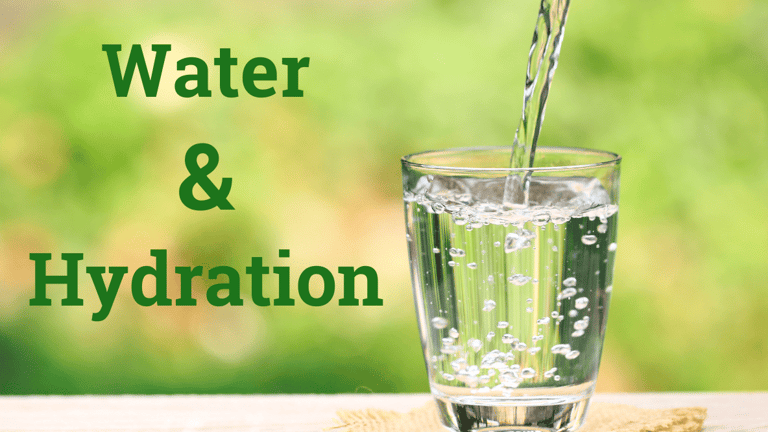

Staying properly hydrated is fundamental to maintaining energy levels and overall well-being. Water is essential for many bodily functions, including temperature regulation, nutrient transport, and waste elimination. Even mild dehydration can lead to fatigue, decreased concentration, and impaired physical performance. Let's explore the importance of hydration and practical tips for staying hydrated.
The Importance of Water
Water makes up about 70% of the human body and is essential for several physiological processes. It plays a vital role in:
Regulating Body Temperature: Water helps maintain a stable internal temperature through sweating and breathing. This is especially important during physical activity or in hot environments.
Transporting Nutrients and Oxygen: Water is a key component of blood, which carries essential nutrients and oxygen to cells throughout the body. Proper hydration ensures that these nutrients are delivered efficiently to support energy production and overall health.
Removing Waste: Water aids in the elimination of waste products through urine and sweat. Staying hydrated helps flush out toxins and prevent the buildup of harmful substances in the body.
Supporting Digestion: Water is necessary for the digestion and absorption of nutrients. It helps break down food so the body can extract and use the energy and nutrients it contains.
Tips for Staying Hydrated
To maintain optimal energy levels and prevent dehydration, it's important to adopt healthy hydration habits. To help you stay hydrated, here are some handy tips:
Drink Water Regularly: Aim to drink at least 8 glasses (about 2 liters) of water per day. People's needs vary based on factors such as age, gender, activity level, and the climate in which they live, but in any case, be sure to drink when you are thirsty.
Start Your Day with Water: Begin your day with a glass of water to kickstart your metabolism and hydrate your body after a night of rest.
Carry a Water Bottle: Carry a water bottle with you throughout the day to remind yourself to drink.
Eat Water-Rich Foods: Include hydrating foods in your meals. Fruits and vegetables such as cucumbers, watermelon, oranges, and strawberries can contribute to your overall hydration.
Limit Caffeinated and Sugary Drinks: While moderate consumption of caffeinated drinks such as coffee and tea is fine, excessive consumption can lead to dehydration. Similarly, sugary drinks like soda and energy drinks can contribute to dehydration and provide empty calories.
Set Hydration Goals: Use a water tracking app or set reminders on your phone to ensure you're drinking enough water throughout the day. Setting specific hydration goals can help you stay motivated and accountable.
Be Alert: Watch for signs of dehydration, such as dizziness, dry mouth, dark urine, or tiredness. If you notice any of these symptoms, increase your water and fluid intake.
Hydration for Physical Activity
Staying hydrated is especially important during physical activity, as exercise increases water loss through sweating. Here are some additional tips for hydrating before, during, and after exercise:
Before Exercise: Drink water 2-3 hours before exercise to make sure you're adequately hydrated.
During Exercise: Drink water regularly, especially if your workout lasts longer than 30 minutes. For intense or prolonged exercise, consider a sports drink with electrolytes to replace lost minerals.
After Exercise: Rehydrate by drinking water and eating a balanced meal of carbohydrates and protein to replenish energy stores and aid recovery.
By prioritizing hydration, you can support your body's energy production, enhance physical and mental performance, and maintain overall vitality.
Hydration and Energy Levels
Creating a balanced meal plan is essential to maintaining high energy levels throughout the day. By including a variety of nutrient-dense foods and paying attention to meal timing, you can ensure that your body gets the fuel it needs to perform at its best. In this section, we'll explore the key components of a balanced meal, provide examples of energy-boosting meals and snacks, and discuss the importance of meal timing.
Structure of a Balanced Meal
A balanced meal includes a mix of macronutrients (carbohydrates, proteins, and fats) and micronutrients (vitamins and minerals) to support energy production and overall health, and don't forget that water is essential in every meal for hydration and to aid in the digestive process. Here's a guide to structuring balanced meals:
Carbohydrates: Aim for complex carbohydrates that provide sustained energy and are rich in fiber. Include whole grains, vegetables, and legumes in your meals.
Proteins: Include a source of lean protein to support muscle repair and metabolic processes. Choose lean meats, fish, eggs, dairy, or plant-based proteins such as beans and tofu.
Fats: Incorporate healthy fats to provide sustained energy and aid in nutrient absorption. Choose sources such as avocados, nuts, seeds, and olive oil.
Fruits and Vegetables: Fill half of your plate with colorful fruits and vegetables to provide essential vitamins, minerals, and antioxidants.
Hydration: Drink water with your meals to stay hydrated and aid in digestion.
Examples of Energy-Boosting Meals and Snacks
Here are some examples of balanced meals and snacks that can help maintain energy levels throughout the day:
Breakfast:
Whole-grain oatmeal topped with fresh berries, chia seeds, and a drizzle of honey.
Greek yogurt layered with sliced bananas and a sprinkle of flax seeds.
Scrambled eggs with spinach, tomato, and whole-grain toast.
Smoothie blended spinach with frozen berries, almond milk, and topped with sliced almonds and coconut.
Avocado on whole-grain toast with a poached egg and cherry tomatoes.
Quinoa with mixed berries, a dollop of Greek yogurt, and a drizzle of maple syrup.
Chia seed pudding with almond milk and vanilla extract, topped with nuts.
The Main Meal:
Quinoa salad with grilled chicken, mixed greens, cherry tomatoes, cucumbers, and a lemon tahini dressing.
Whole grain wrap stuffed with hummus, roasted vegetables, and avocado slices.
Brown rice with black beans, grilled vegetables, and salsa.
Grilled chicken and vegetables with bell peppers, broccoli, snap peas, and brown rice.
Mediterranean Salad with mixed greens, chickpeas, feta cheese, olives, and a balsamic vinaigrette.
Lentil Soup served with a side of whole grain bread and a mixed green salad.
Tuna salad with Greek yogurt, celery, red onion, and served with whole grain crackers.
Baked salmon with a side of quinoa, roasted asparagus, and a mixed green salad.
Stir-fried tofu with mixed vegetables (bell peppers, zucchini, mushrooms) and brown rice.
Grilled lean beef with quinoa, roasted Brussels sprouts, and a side salad.
Stuffed bell peppers with ground turkey, brown rice, black beans, and topped with cheese.
Vegetarian Chili with beans, tomatoes, corn, and spices, served with a side of whole-grain cornbread.
Spaghetti Squash topped with marinara sauce, lean ground turkey, and parmesan cheese.
Chicken and sweet potato with kale, garlic, and herbs.
Snacks:
Apple slices with almond butter.
Carrot sticks and bell pepper strips with hummus.
Trail mix with nuts, seeds, and dried fruit.
Cottage cheese with pineapple chunks.
Greek yogurt with a drizzle of honey and a handful of granola.
Celery sticks with peanut butter and raisins.
Hard-boiled eggs with a sprinkling of sea salt and pepper.
Timing of Meals
Meal timing can significantly impact your energy levels. Eat at regular intervals to keep your blood glucose levels stable and avoid energy crashes. The following are a few tips for optimal meal times:
Start with a Nutritious Breakfast: Eating a balanced breakfast kickstarts your metabolism and provides energy for the morning. Include a mix of carbohydrates, proteins, and fats to keep you full and focused.
Pre- and Post-Workout Nutrition: Fuel your body with a small meal or snack before exercise to provide the energy you need. After exercise, consume a meal or snack with carbohydrates and protein to replenish energy stores and support muscle recovery.
Avoid Heavy Meals Before Bed: Eating large, heavy meals close to bedtime can disrupt sleep and digestion. Choose a light snack if you're hungry in the evening.
Stay Consistent: Try to eat meals and snacks at similar times each day to establish a routine and support your body's natural rhythms.
By planning balanced meals and paying attention to meal timing, you can optimize your energy levels and enhance overall vitality.
Meal Planning for Optimal Energy
While a balanced diet is important for everyone, certain groups may have unique nutritional needs and considerations. In this section, we'll explore nutritional strategies for people at different stages of life.
Children:
Growth and Development
Children have increased nutrient needs to support their rapid growth and development. A balanced diet with adequate calories, protein, vitamins, and minerals is essential.
Variety and Balance
Aim for a variety of foods from all food groups to ensure children get all the nutrients they need. Include whole grains, vegetables, fruits, lean protein, and dairy.
Healthy Snacks
Offer nutrient-dense snacks, such as yogurt, fruit slices, and whole-grain crackers, to provide energy between meals.
Adults:
Maintaining Energy Levels
Adults should focus on maintaining a balanced diet to support their energy needs and overall health. This includes consuming a mix of macronutrients and micronutrients.
Weight Management
Monitor portion sizes and choose nutrient-dense foods to maintain a healthy weight. Avoid overeating processed foods and sugary beverages.
Preventing Chronic Diseases
A diet rich in fruits, vegetables, whole grains, and lean protein can help reduce the risk of chronic diseases, such as heart disease, diabetes, and high blood pressure.
Elderly:
Nutrient-Dense Foods
Older adults may have lower caloric needs but higher needs for certain nutrients, such as calcium, vitamin D, and B vitamins. Focus on nutrient-dense foods to meet these needs.
Protein Intake
Adequate protein intake is essential for maintaining muscle mass and preventing sarcopenia (age-related muscle loss). Include lean meats, fish, eggs, dairy, and plant proteins in your diet.
Hydration
The elderly are at increased risk of becoming dehydrated. Be sure to drink water regularly and include hydrating foods, such as fruits and vegetables, in your diet.
Digestive Health
Fiber-rich foods, such as whole grains, fruits, and vegetables, can help maintain digestive health and prevent constipation.
By understanding the unique nutritional needs of different groups, you can tailor nutritional strategies to support optimal health and energy levels at every stage of life.
Nutritional Strategies for Different Life Stages
When it comes to nutrition and energy, there are many myths and misconceptions that can lead to confusion and poor dietary choices. In this section, we'll debunk some of the most common nutrition myths and provide factual information to help you make informed decisions about your diet and energy levels.
Myth 1: Carbohydrates Make You Gain Weight
Fact: Carbohydrates are often unfairly blamed for weight gain, but they are an essential part of a balanced diet and a primary source of energy. The key is to choose complex carbohydrates, such as whole grains, fruits, and vegetables, which provide sustained energy and essential nutrients. Simple carbohydrates, such as refined sugars and processed foods, can contribute to weight gain when consumed in excess.
Myth 2: All Fats Are Bad for You
Fact: Not all fats are created equal. While trans fats and excessive saturated fats can increase the risk of heart disease, unsaturated fats (found in avocados, nuts, seeds, and olive oil) are beneficial for health. These healthy fats support brain function, hormone production, and the absorption of fat-soluble vitamins. Including healthy fats in your diet can help provide sustained energy and improve overall well-being.
Myth 3: Skipping Meals Helps with Weight Loss
Fact: Skipping meals can actually lead to weight gain and lower energy levels. When you skip a meal, your body goes into "starvation mode" and slows down your metabolism to conserve energy. This can lead to overeating later in the day and poor food choices. Eating regular, well-balanced meals and snacks helps maintain stable blood glucose levels and supports weight management.
Myth 4: Protein Supplements Are Necessary for Muscle Gain
Fact: While protein supplements may be convenient for some people, they are not necessary for muscle gain. Most people can meet their protein needs through a balanced diet that includes lean meats, fish, eggs, dairy, and plant-based proteins. It's important to focus on whole foods to get a variety of nutrients, including vitamins and minerals, that support overall health and energy.
Myth 5: Detox Diets and Cleanses Are Essential for Health
Fact: Detox diets and cleanses are often marketed as a way to "reset" the body and improve health, but there is little scientific evidence to support their effectiveness. The body has its own natural detoxification system, primarily involving the liver, kidneys, and digestive tract. A balanced diet rich in fruits, vegetables, whole grains, and water supports these natural processes. Extreme detox diets can be harmful and lead to nutrient deficiencies.
Myth 6: Eating Late at Night Leads to Weight Gain
Fact: Weight gain is determined by the total amount of calories consumed versus the amount of calories burned, not the specific timing of meals. Eating late at night does not inherently cause weight gain, but it can lead to poor food choices and overeating. It's important to listen to your body's hunger cues and make healthy choices regardless of the time of day.
Myth 7: Energy Drinks Are a Healthy Way to Boost Energy
Fact: Energy drinks often contain high levels of caffeine, sugar, and other stimulants that may provide a temporary energy boost, but can lead to crashes and negative health effects. Excessive consumption of energy drinks can cause sleep disturbances, increased heart rate, and other health problems. Instead, focus on getting energy from a balanced diet, regular exercise, and adequate sleep.
By debunking these common nutrition myths, you can make more informed choices about your diet and energy levels. Understanding the facts behind these misconceptions empowers you to adopt healthier habits and achieve optimal vitality.
Common Myths and Misconceptions
A balanced diet is essential for maintaining energy levels and promoting overall health. By incorporating practical strategies into your daily routine, you can make healthier food choices and create a sustainable eating pattern. Here are some helpful tips for grocery shopping, cooking, meal prep, and making healthy choices when eating out.
Grocery Shopping Tips
Plan Ahead: Before you go to the grocery store, plan the next week's meals. Create a shopping list based on your meal plan to ensure you get all the ingredients you need and avoid impulse buys.
Shop the Perimeter: The perimeter of the grocery store is where you'll find fresh produce, lean meats, dairy, and whole grains. Focus on these areas and limit your visits to the processed food aisles.
Read Labels: Take the time to read nutrition labels on packaged foods. Look for items with lower amounts of added sugars, sodium, and unhealthy fats. Choose products with higher fiber and protein.
Choose Healthy Foods: Choose as much unprocessed food as possible. Fresh fruits, vegetables, lean proteins, and whole grains should make up the bulk of your grocery list.
Buy in Bulk: Buy staples like whole grains, beans, nuts, and seeds in bulk. This can save you money and ensure that you always have healthy options on hand.
Avoid Shopping Hungry: Try to avoid grocery shopping on an empty stomach, which can lead to impulse purchases of unhealthy snacks and treats.
Stay Seasonal: Choose seasonal produce because it tends to be fresher, more flavorful, and often more affordable. Seasonal fruits and vegetables can also provide a variety of nutrients throughout the year.
Cooking and Meal Prep Ideas
Batch Cooking: Prepare large batches of meals and store them in individual portions for the week. This can save time, and you will always have healthy meals ready to go.
Prepare Ingredients Ahead of Time: Wash, chop, and store vegetables, fruits, and other ingredients ahead of time. Prepared ingredients make it easier to throw together quick and nutritious meals.
Use Healthy Cooking Methods: Choose cooking methods such as grilling, baking, steaming, and sautéing that use minimal oil. Avoid frying and excessive use of added fats.
Experiment with Herbs and Spices: Use herbs and spices to add flavor to your dishes without relying on added salt or unhealthy sauces. This can enhance the flavor of your meals while keeping them nutritious.
Portion Control: Watch portion sizes to avoid overeating. Use smaller plates and bowls to help control portions and avoid excess calories.
Incorporate Variety: Rotate different types of foods and recipes to keep your meals interesting and ensure a wide range of nutrients. Try new ingredients and dishes to expand your cooking options.
Make Healthy substitutions: Replace less healthy ingredients with nutritious alternatives. For example, use Greek yogurt instead of sour cream, whole-grain pasta instead of refined pasta, and mashed avocado instead of butter.
Eating Out: Making Healthy Choices
Research Menus: Before eating out, check the restaurant's menu online. Look for dishes that are grilled, baked, or steamed, and avoid those that are fried or heavily sauced.
Customize Orders: Don't hesitate to ask for changes to your meal. Request dressings and sauces on the side, ask for extra vegetables, or replace unhealthy sides with healthier options.
Share Meals: Restaurant portions are often larger than necessary. Consider sharing a meal with a friend or family member to avoid overeating.
Start with a Salad: Start your meal with a salad or vegetable-based appetizer. This can help you feel full and reduce the temptation to overeat during the main course.
Watch Your Drinks: Watch out for high-calorie drinks like sugary sodas and specialty coffee drinks. Choose water, unsweetened tea, or sparkling water with a squeeze of lemon or lime.
Listen to Your Hunger Cues: Eat slowly and pay attention to your body's hunger and satiety cues. Stop eating when satisfied, not full.
Enjoy the Experience: Focus on the social and sensory aspects of eating out. Enjoy the company, ambiance, and flavors of the meal, rather than rushing through it.
By incorporating these practical tips into your daily routine, you can maintain a balanced diet that supports your energy level and overall well-being.
Practical Tips for Maintaining a Balanced Diet
Achieving and maintaining optimal vitality through nutrition is a journey that requires commitment and mindfulness. By understanding the principles of a balanced diet and incorporating practical tips into your daily routine, you can enhance your energy levels, improve your overall health, and enjoy a more vibrant life.
Always remember that consistent small changes add up to significant improvements over time. Whether it's choosing whole foods, staying hydrated, or experimenting with new recipes, every positive step you take contributes to your well-being.
As you go on your journey toward balanced nutrition and sustained energy, keep in mind that it's not about perfection, but about progress. Listen to your body, honor your individual needs, make choices that align with your goals and values, and stay motivated by the benefits of a healthy, energized lifestyle.
Conclusion
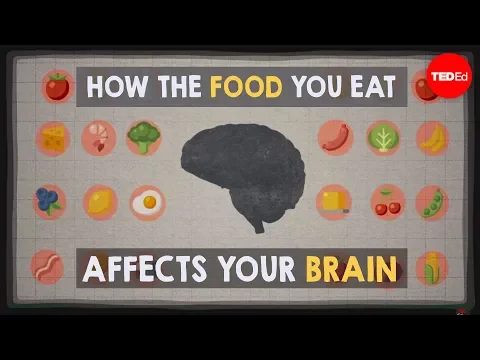
Watch: In this clear and science-based TED-Ed talk, Mia Nacamulli explains how the foods we eat directly influence energy levels, focus, and brain performance.