The Science of Sleep: How Rest Shapes Your Health, Mind, and Daily Performance
Learn the stages of sleep, how it affects your brain and body, and practical tips to improve your sleep quality naturally
HEALTH & WELLNESSMOST RECENT
Table of Contents:
Why Sleep Is More Than Just Rest
The Biological Clock: How Your Body Regulates Sleep
Stages of Sleep: What Happens in Your Brain and Body
The Health Benefits of Quality Sleep
The Hidden Costs of Sleep Deprivation
Tips to Improve Your Sleep Naturally
Conclusion


Sleep is often mistaken for a passive state where the body simply "shuts down". In reality, it’s one of the most active and restorative processes our body goes through. During sleep, your brain processes information, your muscles repair, and your hormones regulate. Without it, everything from mood to memory suffers.
Researchers have linked quality sleep to better immunity, faster recovery from illness, and improved emotional resilience. In contrast, chronic poor sleep has been tied to obesity, heart disease, depression, and even shortened lifespan.
In our fast-paced, always-connected world, sleep is often the first thing sacrificed. But science is clear: rest is not optional; it’s as vital as food and water. This article dives into how sleep works, why it matters, and how you can make it work for you.
Why Sleep Is More Than Just Rest
Your body follows an internal timing system known as the circadian rhythm — a 24-hour cycle that regulates when you feel alert and when you feel sleepy. This rhythm is influenced by external cues such as sunlight, temperature, and even the timing of your meals.
At the center of this system is a small cluster of nerve cells in the brain’s hypothalamus called the suprachiasmatic nucleus (SCN). Think of it as your body’s "master clock." The SCN receives signals from your eyes about light and darkness, then adjusts your circadian rhythm to match the day–night cycle.
One of the SCN’s key roles is regulating the production of melatonin, the hormone that makes you feel drowsy. When it’s dark, melatonin levels rise, preparing your body for sleep. In the morning, exposure to light suppresses melatonin and boosts alertness, helping you wake up and stay active.
Modern life disrupts this natural cycle, think late-night phone scrolling or working under bright lights. These cues trick your brain into thinking it’s still daytime, delaying sleep onset and lowering sleep quality.
Supporting your biological clock involves syncing your schedule with natural light: waking up with sunlight, avoiding bright screens before bed, and maintaining consistent sleep and wake times. This alignment improves not just sleep quality but also mood, digestion, and hormone balance.
The Biological Clock: How Your Body Regulates Sleep
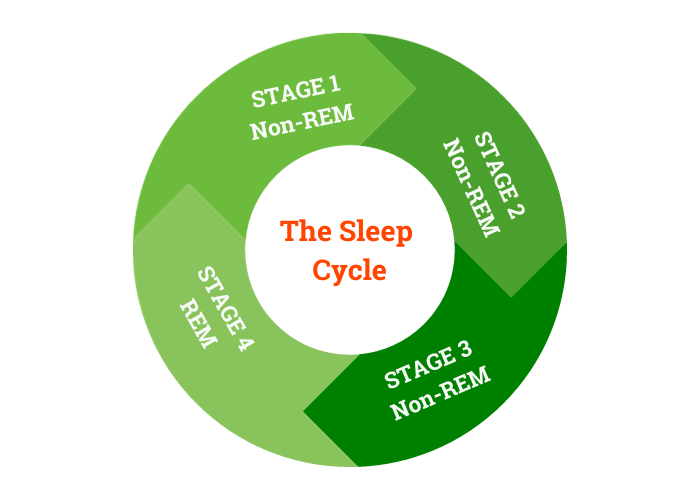
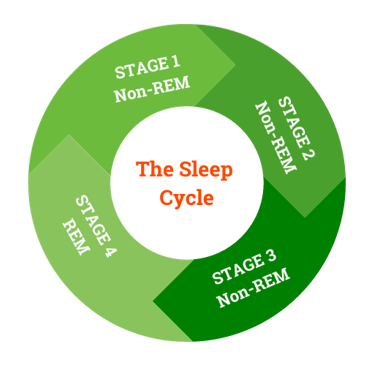
Sleep is divided into two main types: REM (Rapid Eye Movement) and NREM (Non-Rapid Eye Movement)
Each night, you cycle through these stages multiple times, each serving a unique purpose:
Stage 1 (NREM): Light sleep — your muscles relax, and your heartbeat slows.
Stage 2 (NREM): Deeper relaxation — body temperature drops, and memory processing begins.
Stage 3 (NREM): Deep sleep — critical for physical repair, immune strengthening, and tissue growth.
Stage 4: REM Sleep — Brain activity spikes, vivid dreaming occurs, and emotional regulation takes place.
Deep sleep is crucial for physical restoration, while REM sleep is essential for mental health and creativity. Missing out on either disrupts your overall well-being.
Interestingly, the first half of the night has more deep sleep, while the second half is richer in REM. This is why consistent sleep duration matters — cutting your night short means missing key mental restoration.
Stages of Sleep: What Happens in Your Brain and Body
Quality sleep is the ultimate health booster. Physically, it promotes cell repair, muscle growth, and hormonal balance. Mentally, it improves concentration, problem-solving, and decision-making.
Boosts Immunity: Sleep strengthens your immune defense, making you less prone to illness.
Supports Heart Health: Lowers blood pressure and reduces inflammation.
Regulates Weight: Sleep helps control hunger hormones, which reduces overeating.
Enhances Mood: Improves emotional stability and resilience against stress.
Good sleep is not just about quantity but also about sleep efficiency — the percentage of time you spend asleep after going to bed. Improving both leads to optimal health benefits.
In essence, sleep is the foundation upon which mental performance, emotional resilience, physical vitality, and disease prevention all depend. Unlike supplements or quick fixes, sleep is free, natural, and irreplaceable — yet it delivers benefits that rival the most powerful forms of medicine.
The Health Benefits of Quality Sleep
Most people think of sleep loss as just “feeling tired,” but the consequences run far deeper. Chronic sleep deprivation sets off a chain reaction in nearly every system of the body — often silently, until the damage becomes hard to reverse.
1. Brain and Cognitive Decline
When you skimp on sleep, your brain’s ability to clear out toxins (including beta-amyloid, linked to Alzheimer’s disease) is reduced. This leads to slower thinking, memory lapses, and poor decision-making. In fact, one night of sleep loss can impair focus and reaction time as much as being legally drunk.
2. Emotional Instability and Mental Health Risks
A lack of restorative REM sleep affects the amygdala, the brain’s emotional center. As a result, small stressors feel overwhelming, and irritability spikes. Chronic deprivation has been linked to higher rates of anxiety, depression, and even suicidal thoughts. Sleep, in many ways, acts as the brain’s emotional reset button.
3. Hormonal and Metabolic Disruption
Sleep controls the delicate balance of hormones that regulate appetite and metabolism. Without enough rest, levels of the hunger hormone rise, while the satiety hormone drops. This makes you crave high-calorie, sugary foods, fueling weight gain. Insulin sensitivity also decreases, increasing the risk of type 2 diabetes.
4. Immune System Weakening
During deep sleep, your body releases proteins called cytokines that help fight infections and repair damage. Without enough of them, your immune defenses weaken, leaving you more vulnerable to colds, flu, and chronic inflammation — which, in turn, is linked to heart disease and cancer.
5. Cardiovascular Strain
Sleep deprivation keeps stress hormones like cortisol elevated, placing constant pressure on your heart. Over time, this increases blood pressure, stiffens blood vessels, and raises the likelihood of stroke and heart disease.
The Hidden Cycle
The danger is that sleep loss often creates a self-reinforcing loop: poor sleep leads to stress and unhealthy habits (like late-night eating, caffeine overuse, or inactivity), which then make sleep even harder. This downward spiral erodes health gradually — making it easy to ignore until the effects become severe.
In short, sleep deprivation is not just “lost rest” — it’s lost repair, lost resilience, and lost protection against some of life’s most serious illnesses.
The Hidden Costs of Sleep Deprivation
You can train your body to sleep better by applying the following strategies:
Consistent Sleep Schedule: Go to bed and wake up at the same time daily.
Light Management: Expose yourself to daylight in the morning and limit blue light at night.
Sleep-Friendly Environment: Keep your bedroom cool (18–20°C), dark, and quiet.
Evening Routine: Engage in calming activities, reading, light stretching, or meditation.
Mindful Eating: Avoid heavy meals, caffeine, and alcohol close to bedtime.
Overall, lifestyle consistency remains the most powerful tool for lasting sleep quality.
Tips to Improve Your Sleep Naturally
Sleep is not a luxury; it’s a biological necessity that shapes every aspect of our health. From brain function to emotional balance and disease prevention.
By understanding your body’s sleep mechanisms and making intentional lifestyle adjustments, you can transform your nights into a source of deep restoration and your days into a display of energy, focus, and vitality.
Healthy sleep is the foundation upon which all other wellness efforts stand. Treat it as a priority, and it will repay you with a sharper mind, stronger body, and brighter mood.
Conclusion

Watch: In this TED Talk, sleep scientist Christine Blume explains why exposure to natural daylight is one of the most powerful yet overlooked ways to improve your sleep quality and overall well-being