Navigating Life Transitions: How to Embrace Change and Thrive Through Uncertainty
Facing big life changes? Learn how to manage transitions with confidence, reduce stress, and turn challenges into opportunities for personal growth
LIFE MANAGEMENTMOST RECENT
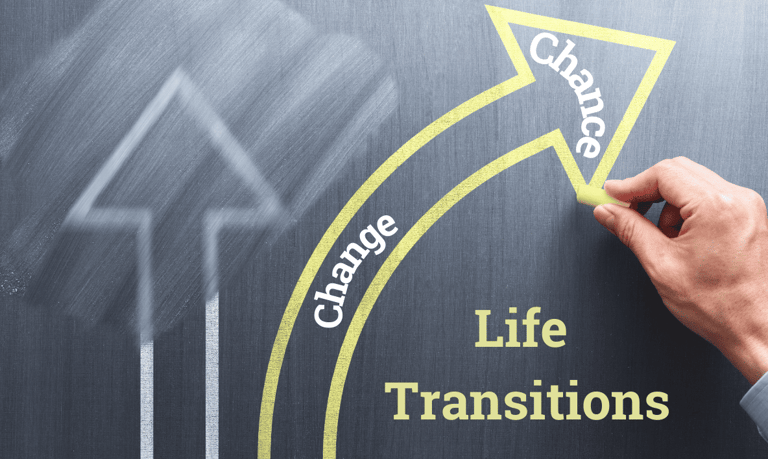
Table of Contents:
Understanding Life Transitions
Preparing for Change
Emotional Management
Practical Steps
Personal Growth and Development
Financial Considerations
Maintaining Well-Being
Reflecting on the Journey
Conclusion
Life is a journey punctuated by significant transitions and pivotal moments that usher us into new chapters and leave a lasting impact on our personal and professional landscapes. Whether it's moving to a new city, starting a new job, experiencing the end of a relationship, or welcoming a new family member, major life changes can be both exhilarating and daunting.
Understanding the nature of these transitions and learning how to navigate them smoothly is essential to maintaining balance and well-being. Transitions can present both opportunities and challenges, and recognizing their importance helps us prepare for them. They often lead to personal growth, new experiences, and the development of resilience and adaptability.
Major life transitions come in many forms, including:
Career changes: Starting a new job, changing careers, or retiring.
Relationship changes: Starting or ending a relationship, getting married, or having a child.
Geographic changes: Moving to a new city or country.
Health changes: Dealing with or recovering from a serious illness or injury.
Educational transitions: Graduating, returning to school, or enrolling in a new academic institution.
The impact of major life transitions on our lives can be profound. These changes can affect our emotional, physical, and spiritual well-being. They can challenge our sense of identity, disrupt our routines, and force us to adapt to new circumstances. However, understanding the nature of these transitions and learning how to prepare for and navigate them smoothly is essential to maintaining balance and well-being.
This article aims to provide you with practical tips and insights to help you navigate these major changes with grace and resilience, transforming these moments of uncertainty into opportunities for growth and self-discovery.
Understanding Life Transitions
Recognizing the Signs of Impending Change
Understanding the signs of impending change can help you better prepare for transitions. These signs can be subtle or obvious, and recognizing them early can give you the time you need to prepare mentally and emotionally. Here are some common signs:
Changes in interests and desires
You may notice a change in what excites or motivates you. For example, you may feel a growing dissatisfaction with your current job or a desire to move to a new place.
Feedback from others
Sometimes friends, family, or colleagues may suggest that it's time for a change. Their observations can be valuable because they may see things from a different perspective.
Life events
Significant events such as marriages, births, deaths, or health issues can trigger the need for a transition. These events often lead to new priorities and paths in life.
By paying attention to these signs, you can begin to prepare for the transition in advance.
Assessing Your Readiness for Transition
Before you dive into a major life change, it's important to assess your readiness. This includes assessing your emotional, financial, and logistical readiness. Consider the following:
Emotional stability
Are you emotionally prepared to deal with the challenges of the transition? It's important to be in a stable emotional state to effectively manage change.
Financial security
Do you have the financial resources to support the transition? Consider budgeting and saving to ensure you have a financial cushion.
Support network
Do you have a support network? Friends, family, and professionals can provide valuable support and guidance during times of change.
Logistics planning
Have you planned for the logistical aspects of the transition? This could include things like moving arrangements, job searches, or organizing important documents.
Taking the time to assess your readiness can help you identify areas that need attention and allow you to make a smoother transition.
Setting Realistic Expectations
Setting realistic expectations is critical to managing transitions successfully. It's important to understand that change often comes with challenges and that not everything will go according to plan. Here are some tips:
Be patient
Transitions take time, and it's important to be patient with yourself. Understand that there will be ups and downs as you go through this process.
Set achievable goals
Break down your transition into smaller, more manageable goals. This will make the process less overwhelming and help you stay focused.
Stay flexible
Be prepared to adjust what you've planned as needed. Flexibility is key to adapting to new situations and overcoming obstacles.
Celebrate small victories
Celebrate your successes, no matter how small. This will help you stay motivated and positive throughout the transition.
By setting realistic expectations, you can approach the transition with a positive mindset and be better prepared to handle any challenges that come your way.
Preparing for Change
Understanding and Accepting Your Emotions
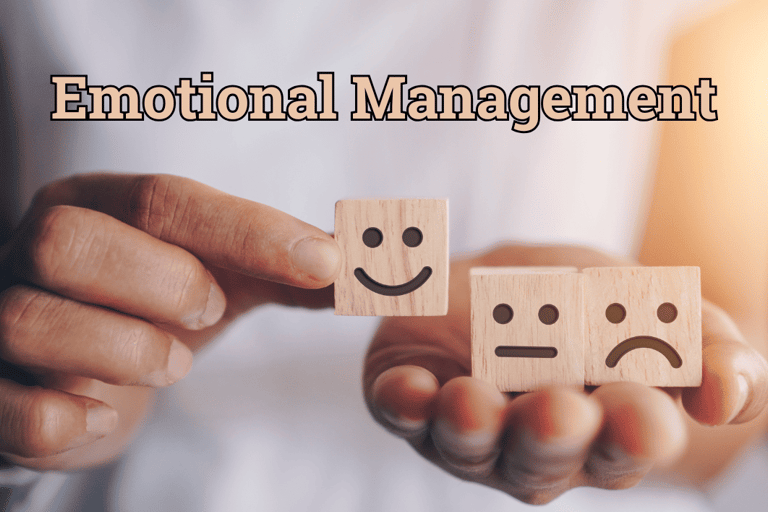
Navigating major life transitions often brings a whirlwind of emotions. It's important to recognize that these feelings are a natural part of the process. Instead of suppressing or ignoring your feelings, try to understand and accept them. Here are some strategies:
Journaling
Write down your thoughts and feelings. Think about what you're feeling and why. This can help you process and understand your emotions.
Talking it out
Share your feelings with a trusted friend or family member. Sometimes verbalizing how you feel can help to clarify and relieve.
Mindfulness and meditation
Practicing mindfulness and meditation can help you stay present and aware of your emotions without judgment. These practices can also reduce stress and increase emotional resilience.
Strategies for Managing Anxiety and Stress
Anxiety and stress are common during major life changes. Finding effective ways to manage these feelings is critical to maintaining mental well-being. Consider the following strategies:
Deep breathing exercises
Take a deep breath to help calm down your nervous system. Try to take a deep breath through your nose, hold it for a few seconds, and then exhale slowly through your mouth.
Physical activity
Regular physical activity can help reduce stress and improve your mood. Activities such as walking or yoga can be particularly beneficial.
Healthy outlets
Find healthy outlets for your stress, such as creative hobbies, reading, or spending time in nature. You can take a much-needed mental break by engaging in activities you enjoy.
Seeking Support from Friends, Family, and Professionals
You don't have to go through major life transitions alone. Reaching out to others for support can make all the difference:
Friends and family
Lean on your loved ones for emotional support and practical advice. Sharing your experiences and hearing their perspectives can be incredibly comforting.
Support groups
Consider joining a support group where you can connect with others who are going through similar transitions. Sharing experiences and coping strategies can create a sense of community.
Professional help
If you're having trouble managing your emotions or stress, consider seeking help from a mental health professional. Therapists and counselors can provide valuable tools and guidance tailored to your needs.
Remember to accept your emotions, practice self-care, and reach out for support when needed. Actions will help you navigate life's changes with grace and confidence.
Emotional Management
Planning and Organizing the Transition
A well-thought-out plan can make any transition less daunting. Here are some steps you can take to organize and plan effectively:
Create a checklist
List all the tasks you need to complete before, during, and after the transition. Break down large tasks into smaller, easy-to-manage steps.
Prioritize
Identify the tasks that are most important to you and work on them first. This will help you stay focused and ensure that critical tasks are completed on time.
Create a timeline
Set deadlines for each task to keep you on track. Be realistic about how much time each task will take, and leave room for unexpected delays.
Use organizational tools
Use tools such as calendars, planners, and apps to keep track of your progress. These tools can help you stay organized and remind you of upcoming tasks.
Establishing New Routines and Habits
Transitions often require new routines and habits. Here are some tips to help you establish them:
Identify key areas of change
Determine which areas of your life will be most affected by the transition, such as your daily schedule, work environment, or living situation.
Develop new routines
Create routines that align with your new circumstances and goals. Consistency is key, so stick with your new habits, even if it's challenging.
Start small
Begin with small, achievable changes to build momentum. Gradually incorporate more significant changes as you become comfortable with the new routines.
Monitor your progress
Regularly assess how well your new routines are working and make adjustments as needed. Be patient with yourself as you try to adjust to change.
Staying Flexible and Adaptable
Flexibility is essential when dealing with major life changes. Here are a few strategies that can help you stay flexible:
Accept uncertainty
Accept that change is often accompanied by uncertainty. Think of it as an opportunity to learn and grow, rather than a source of stress.
Stay open-minded
Be open to new ideas and to new ways of doing new things. Flexibility in your thinking will help you adapt to new situations more easily.
Adjust plans as needed
Be prepared to revise your plans if things don't go as expected. Adaptability is key to overcoming obstacles and finding alternative solutions.
Learn from experience
Reflect on past transitions and how you successfully navigated them. Use those experiences to inform your approach to current and future changes.
Remember that transitions are opportunities for growth and self-improvement. Embrace change and approach it with a positive attitude and a well-thought-out plan. With careful preparation and adaptability, you can navigate life's major transitions smoothly and confidently.
Practical Steps
Embracing Change as an Opportunity for Growth
Every major life transition offers the potential for personal growth and self-improvement. By viewing change as an opportunity rather than a challenge, you can harness its power to drive positive change. The following are a few strategies to help you embrace change:
Shift your perspective
Instead of focusing on the difficulties of change, see it as a chance to learn new skills, meet new people, and experience new opportunities.
Set personal goals
Identify areas of your life where you want to grow and set specific, achievable goals. This could include developing new hobbies, improving your professional skills, or working on your mental and physical health.
Stay open to new experiences
Be willing to step out of your comfort zone and try new things. Embracing new experiences can lead to a deeper understanding of yourself, which leads to personal growth.
Developing Resilience and a Growth Mindset
Resilience is the ability to bounce back from adversity, and a growth mindset is the belief that you can learn and grow from any experience. Cultivating both resilience and a growth mindset can help you navigate major life transitions more effectively. The following are a few tips:
Maintain a positive outlook
Focus on the positive aspects of the transition and remind yourself that challenges are temporary.
Learn from setbacks
Instead of viewing setbacks as failures, view them as learning opportunities. Think about what went wrong and how you can improve in the future.
Practice self-compassion
Be kind to yourself during the transition. Acknowledge that it's okay to feel overwhelmed and that you're doing your best. Self-compassion can boost your resilience and overall well-being.
Building Self-Confidence and Self-Efficacy
Self-confidence and self-efficacy, or the belief in one's ability to succeed, are critical to successfully navigating major life transitions. The following are some strategies to help you build both:
Celebrate your achievements
Acknowledge and celebrate your achievements, however small. Acknowledging your successes can boost your confidence and motivate you to keep going.
Focus on your strengths
Identify your strengths and use them to your advantage during the transition. Knowing what you're good at can help you tackle challenges more effectively.
Seek feedback
Don't be afraid to ask for feedback from trusted friends, family members, or colleagues. Constructive feedback can help you identify areas for improvement and build self-efficacy.
Remember that every transition is an opportunity to learn, grow, and become a stronger, more resilient version of yourself. Embrace the journey and trust in your ability to handle whatever comes your way.
Personal Growth and Development


Budgeting for Major Life Changes
Financial stability is an important part of a smooth transition. Budget effectively by following these steps:
Assess your financial situation
Review your current financial situation. Take stock of your income, expenses, savings, and outstanding debts.
Create a budget plan
Develop a detailed budget that accounts for all expenses associated with the transition. Include both one-time and ongoing costs.
Set financial goals
Set clear financial goals for the transition period. These may include saving a certain amount of money, reducing debt, or maintaining a certain level of savings.
Track your spending
Monitor your spending closely to make sure you stay within your budget. Use budgeting tools or apps to help you keep track of your expenses.
Adjust as needed
Be prepared to adjust your budget as circumstances change. Flexibility is key to managing your finances effectively during a transition.
Managing Financial Stress
Financial stress can add to the challenges of a major life change. Use these strategies to help you manage financial stress:
Plan
Proactive planning can help reduce financial stress. Creating a budget and setting financial goals can help you feel more in control of your finances.
Build an emergency fund
An emergency fund can provide a financial safety net during times of uncertainty. Have a savings goal of at least three to six months of living expenses.
Seek professional advice
If you're struggling with financial stress, consider consulting a financial planner or advisor. They can provide valuable insight and help you develop a plan to manage your finances that is tailored to your needs and goals. They can offer guidance on budgeting, saving, investing, and managing debt. Free or low-cost financial counseling is available in many communities. These services can help you address specific financial challenges and develop strategies to improve your financial situation.
Look for online resources
There are many online resources available, including budgeting tools, financial calculators, and educational articles. Use these resources to improve your financial literacy and make informed decisions.
Attend workshops and seminars
Look for workshops and seminars on financial planning and management. These events can provide valuable information and connect you with experts in the field.
Practice self-care
Remember to take care of your mental and emotional well-being. Engage in activities that reduce stress, such as exercise, meditation, or spending time with loved ones.
Financial planning is an ongoing process. Review your budget regularly, make adjustments as needed, and use available resources to increase your financial knowledge and confidence. With careful planning and a proactive approach, you can successfully manage your finances and navigate life's major transitions with ease.
Financial Considerations
Prioritizing Physical and Mental Health
Maintaining both physical and mental health is critical during major life transitions. Prioritize your well-being by following these strategies:
Get enough sleep
Make sure you get enough rest each night. Aim for 6-9 hours of sleep to help your body and mind recover from the stresses of the day.
Eat healthy
Eat a balanced diet rich in fruits, vegetables, whole grains, and protein. Proper nutrition can improve your physical health and support mental clarity.
Regular exercise
Engage in regular physical activity to boost your energy levels and improve your mood. Activities such as walking, jogging, swimming, or yoga can be especially beneficial.
Mental health practices
Incorporate mental health practices into your daily routine. This may include meditation, mindfulness exercises, or journaling to process your thoughts and feelings.
Professional support
Therapists and counselors can provide valuable guidance and coping skills.
Balancing Work, Life, and Transition Demands
Balancing work, life, and the demands of a major transition can be challenging. To maintain balance, consider these tips:
Set boundaries
Set clear boundaries between work and home. This may include setting specific work hours and making sure you have time for relaxation and self-care.
Delegate tasks
Don't be afraid to delegate tasks. Whether at work or home, delegating responsibilities can help you manage your workload more effectively.
Prioritize self-care
This can include activities that bring you joy, such as reading, spending time with loved ones, or pursuing a hobby.
Time management
Practice effective time management techniques to stay organized and on track. Use calendars, planners, or apps to help you manage your schedule.
Flexibility
Be flexible and willing to adjust your plans as needed. Life transitions often involve unexpected changes, so flexibility and adaptability are key.
Finding Meaning and Joy in the New Normal
Amid the chaos of a major life transition, it's important to find meaning and joy in your new circumstances.
Explore new interests
Use the transition as an opportunity to explore new interests or hobbies. This can bring a sense of excitement and fulfillment to your life.
Connect with loved ones
Maintain and strengthen your relationships with friends and family. Social support is essential for emotional well-being.
Practice gratitude
Focus on the positive things in your life by practicing gratitude. Have a moment each day for reflection on what you are grateful for.
Mindfulness and presence
Practice mindfulness to help you stay in the present and appreciate the moment. This can help you find joy in everyday experiences and reduce stress.
Maintaining your well-being and taking proactive steps to care for yourself will help you navigate life's transitions smoothly.
Maintaining Well-Being
Looking Back: Lessons Learned
After making a major life transition, it's important to take time to reflect on your journey. Reflecting on your experiences can provide valuable insights and help you grow. To look back and learn from your transition, consider the following strategies:
Journaling
Write down your thoughts and reflections about the transition. What were the greatest challenges you faced? How did you overcome them? What did you learn about yourself?
Identify key lessons
Identify the most important lessons you learned during the transition. These may include new skills, personal strengths, or valuable life lessons. Identifying these lessons can help you apply them to future transitions.
Acknowledge growth
Take time to recognize and celebrate your personal growth. Reflect on how you've changed and what positive qualities have emerged as a result of the transition.
Share your experience
Share your experience with others, whether through conversations, blogs, or social media. Sharing your journey can provide support and inspiration to others going through similar transitions.
Moving Forward with Confidence
As you move forward from your transition, take the lessons you've learned and the confidence you've gained and continue to grow by doing the following:
Set new goals
Use the momentum of your transition to set new goals and challenges for yourself. This will keep you focused and motivated.
Embrace change
Approach future changes with a positive attitude. Remember that you've successfully navigated a major transition before, and you have the skills and resilience to do it again.
Stay connected
Maintain the support network you developed during the transition. Staying in touch with friends, family, and professionals can provide ongoing support and encouragement.
Practice self-compassion
Be kind to yourself as you continue to grow and adjust. Recognize that it's okay to have setbacks and that growth is an ongoing journey.
Reflecting on your journey after a major life transition is a valuable process that can provide insight, growth, and a sense of accomplishment, and it will help you navigate future transitions with resilience and confidence.
Reflecting on the Journey
As we have explored in this article, navigating major life transitions can be challenging, but it is also an opportunity for profound personal growth and self-discovery. By approaching these changes with a positive mindset and a well-thought-out plan, asking for help, and seeking support from your network and professionals when needed, you can turn moments of uncertainty into opportunities for growth and improvement.
Every transition is a chance to become a stronger, more resilient version of yourself. Stay positive, stay adaptable, and trust in your ability to handle whatever comes your way. With the right mindset and strategies, you can navigate life's major transitions smoothly and confidently, emerging on the other side with a deeper understanding of yourself and a renewed sense of purpose.
Conclusion

Watch: In this TED talk, Maya Shankar explores why change often feels uncomfortable and threatening, even when it is necessary or beneficial. Drawing on behavioral science and real-life examples, she explains how fear of uncertainty shapes our reactions to change, and how understanding this response can help us adapt with greater confidence and resilience.