Life Vision Map: How to Design and Live Your Desired Future
Discover how to create a Life Vision Map to design and live your desired future with purpose. Align your goals, values, and daily actions to build true clarity
LIFE MANAGEMENTMOST RECENT
Table of Contents:
Why You Need a Life Vision Map
Understanding the Life Vision Map
The Psychology Behind Visualization and Life Mapping
Creating Your Life Vision Map: A Step-by-Step Guide
Aligning Your Map with Your Values and Priorities
Maintaining and Learning from Your Life Vision Map
Conclusion
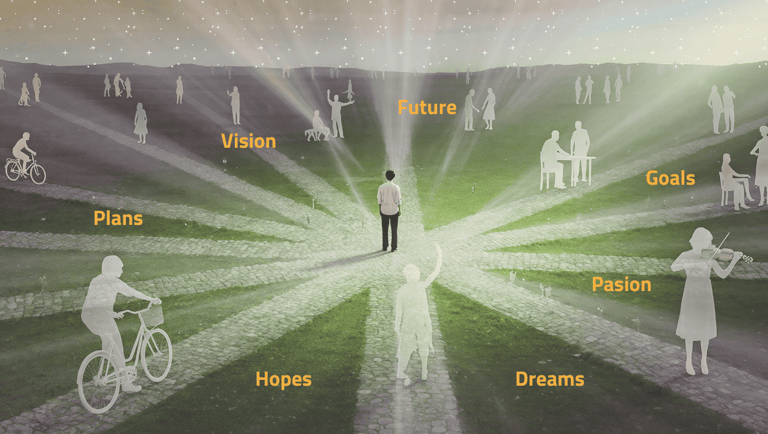
Have you ever felt like you’re walking through life without a clear direction, busy, but not sure where the road is really taking you? You’re not alone. Many people move from one goal to another without pausing to ask the most important question: Where am I truly heading?
A Life Vision Map is more than a motivational exercise; it’s a personal compass that helps you see the bigger picture. It turns dreams into direction, and direction into daily action. Unlike random goal lists or fleeting resolutions, a Life Vision Map gives structure to your ambitions and helps you design a future that reflects your deepest values and desires. When you visualize your future clearly, your relationships, health, career, and personal growth, you activate the brain’s natural ability to focus and act with purpose. In other words, you become more intentional about what truly matters.
In this guide, you’ll learn how to create your own Life Vision Map step by step, understand the science behind it, and discover how to keep it alive as your life evolves. Whether you’re starting fresh, redefining your path, or simply craving more clarity, this roadmap will help you align your goals with your purpose, so that every step you take moves you closer to the life you desire.
Why You Need a Life Vision Map
A Life Vision Map is a structured, visual representation of the future you want to create. It brings together your values, long-term aspirations, and the guiding principles that shape your decisions. Unlike a simple list of goals, a Life Vision Map shows the connections between different parts of your life, helping you understand how each area influences the others.
At its core, a Life Vision Map answers three essential questions:
Who do I want to become?
What life do I want to live?
And what choices will take me there?
By placing these answers in a single, organized framework, the map becomes a lens through which you can evaluate your actions, habits, and priorities.
Many people confuse a Life Vision Map with a vision board, but they serve different purposes. A vision board is mainly inspirational; it uses pictures and quotes to spark emotion and motivation. A Life Vision Map, on the other hand, is both inspirational and strategic. It identifies the specific life domains that matter to you: health, relationships, work, spirituality, personal growth, lifestyle, and contribution. It connects your dreams to a clear structure, helping you think intentionally about the future you want.
What makes this map powerful is its ability to bring clarity. Instead of carrying vague hopes in your mind, you see a defined landscape of your desired future. This clarity helps you make wiser decisions, choose meaningful goals, and avoid distractions that lead you off your path. Over time, your Life Vision Map becomes a living guide; a tool that reflects not only your ambitions, but your identity, values, and purpose.
When you understand what a Life Vision Map truly represents, you gain the confidence to design your life with direction rather than drift. It becomes the foundation upon which all your future planning, habits, and growth are built.
Understanding the Life Vision Map


Creating a Life Vision Map is not just a creative exercise; it is a method rooted in well-established psychology and neuroscience. Research shows that when you visualize a future scenario with clarity and emotional detail, your brain responds as if the experience is already happening. This phenomenon is known as functional equivalence, meaning that imagined actions activate similar neural pathways to real actions. Studies confirm that mental imagery engages the same regions responsible for planning, motivation, and perception.
This is why visualization has a measurable influence on how we think, prioritize, and behave. When your brain repeatedly “sees” a desired future, it begins to form new neural connections that support the behaviors needed to reach it. In other words, visualization prepares the mind for the actions that follow. Through a process of neuroplasticity, the brain gradually becomes more aligned with the vision you hold.
Another important aspect of visualization is its impact on emotional regulation. Research shows that imagining positive future outcomes enhances hope, confidence, and clarity. This emotional shift matters because motivation is not only about discipline; it is also about belief. When you hold a vivid image of your future self, your mind becomes more resilient and more willing to pursue meaningful challenges.
Life mapping also strengthens decision-making. People who imagine their future selves make more thoughtful, long-term choices. Seeing the “big picture” reduces impulsive behavior and helps you stay aligned with your values. This is one reason why a Life Vision Map enhances focus: it filters out distractions that do not serve your purpose.
Together, these psychological mechanisms explain why a Life Vision Map is more than an inspirational tool. It is a strategic way to work with your brain; not against it. When your vision is clear and consistently reinforced, your mind naturally moves toward it with intention, energy, and discipline.
The Psychology Behind Visualization and Life Mapping
Designing your Life Vision Map is a process of intentional reflection, clarity, and structure. It invites you to pause, look inward, and redefine what a meaningful life looks like for you. This section walks you through the essential steps to build a map that feels authentic, grounded, and aligned with your purpose.
Step 1: Reflect on Your Values and Long-Term Purpose
Begin by reconnecting with the principles that shape who you are. What do you stand for? What qualities do you want to embody? Your values act as the foundation of your Life Vision Map. When your purpose reflect your true priorities, your motivation becomes deeper and more sustainable. This reflection ensures your future vision is not borrowed from society or others but rooted in your own identity.
Step 2: Define Clear Goals in Every Life Area
A meaningful life is multidimensional. Consider the major areas that influence your well-being: health, relationships, personal growth, spirituality, career, lifestyle, and contribution. For each area, write down what you wish to experience, achieve, or improve. These are not tasks or to-do lists, but long-term aspirations that illustrate the life you want to build.
Step 3: Visualize Your Desired Future in Detail
Close your eyes and imagine your life if everything aligned with your values. What does your daily routine look like? How do you feel? Who is around you? What kind of work brings meaning to your days? Visualization gives life to your goals, helping you create a mental picture that feels vivid and real. Research shows that the clearer the image, the stronger the motivation to pursue it.
Step 4: Choose Your Format: Digital or Paper Map
Your Life Vision Map can take many forms: a digital layout, a written diagram, a mind map, or a structured page in your journal. What matters most is choosing a format you enjoy and will revisit often. Digital formats are flexible and easy to update, while paper formats feel personal and grounded. Pick the method that keeps you connected to your future vision.
Step 5: Review, Refine, and Commit to Your Map
Once your map is drafted, step back and review it with a thoughtful eye. Does it reflect your values? Does it feel balanced? Does it inspire you? Refine anything that feels unclear or disconnected. When your map feels complete, commit to it. Place it somewhere you can revisit regularly, and allow it to become a living guide that shapes your decisions and actions.
Creating your Life Vision Map is not about perfection. It is about clarity and intention, giving yourself permission to design a future that aligns with who you are and who you aspire to become.
Creating Your Life Vision Map: A Step-by-Step Guide


A Life Vision Map becomes truly powerful when it reflects not just what you want, but why you want it. Alignment is the bridge between intention and action. When your vision, values, and daily choices move in the same direction, you naturally live with greater clarity, confidence, and purpose.
Connecting Your Daily Habits to Your Vision
Your Life Vision Map shows you the future you desire, but your daily habits determine whether you move toward it. Take each life area—health, relationships, growth, career, or spirituality—and ask yourself: What small actions support this vision? A peaceful morning routine, mindful eating, meaningful conversations, consistent learning, or purposeful work habits may seem simple, but over time, they reinforce the identity you want to build.
When your habits reflect your goals, you turn intention into progress.
Balancing Ambition with Well-Being and Meaning
It’s easy to set ambitious goals, but a meaningful life also requires balance. You can pursue growth while still honoring rest, relationships, and emotional well-being. Your Life Vision Map should feel empowering, not overwhelming.
If one area of your map demands too much energy at the expense of others, it may create tension or burnout. Check for harmony: Is your vision holistic? Does it support not only achievement but also joy, fulfillment, and peace?
Keeping Harmony Between Work, Relationships, and Self-Growth
Many people work hard toward success but neglect personal connection or inner growth. Your Life Vision Map helps you avoid that imbalance by showing how each life domain interacts with the others. If career success is important to you, make sure your map also highlights the relationships and practices that support your emotional resilience. If personal growth is a priority, ensure that your lifestyle, habits, and environment nurture that growth.
Alignment means recognizing that every part of your life influences the others—positively or negatively—and adjusting your direction with purpose. Aligning your Life Vision Map with your values ensures that your goals are meaningful and your actions are intentional.
When your vision and priorities are in harmony, your life becomes more balanced and focused on what truly matters.
Aligning Your Map with Your Values and Priorities
A Life Vision Map is not a static document; it is a living guide that grows with you. As your experiences shift, your priorities evolve, and your understanding deepens, your map should evolve as well. Maintaining it with intention ensures that it remains a reliable compass rather than a forgotten exercise.
When and How to Review Your Map
Regular reflection keeps your vision alive. Set a schedule to revisit your map, monthly, quarterly, or at meaningful life moments. Look at each life domain and ask yourself:
Am I moving closer to my vision?
What has changed?
What needs more attention?
This review process strengthens your self-awareness and prevents you from drifting off your path. It also helps you recognize early signs of misalignment before they grow into stress or dissatisfaction.
Adapting Your Goals Through Life’s Changes
Life is not linear. New opportunities appear, challenges reshape your priorities, and personal growth transforms how you see yourself. Your Life Vision Map should reflect these natural shifts.
Updating your map does not mean abandoning your vision; it means refining it. Adjust your goals, clarify new aspirations, or reframe old ones. This flexibility keeps your map relevant and true to your evolving identity.
Common Mistakes and How to Avoid Them
Many people approach vision mapping with enthusiasm but fall into predictable traps. The most common mistakes are
- Trying to make the map perfect from the start. Perfection leads to hesitation and procrastination. Your map should be a prototype, not a final verdict.
- Focusing only on external achievements while neglecting emotional, spiritual, or relational goals. A meaningful life is multidimensional; your map should honor that balance.
- Failing to track progress can weaken your motivation. Celebrate small steps forward; they reinforce your commitment and remind you that change is happening, even slowly.
Real-Life Success Stories and Lessons from Others
People who practice life mapping often describe a shift in clarity and direction. Some report improved decision-making because the map makes their priorities unmistakably clear. Others find that visualizing their future increases resilience, helping them stay focused during difficult periods. The common thread in these stories is not luck, it is intention. When individuals commit to their vision, align their actions, and regularly refine their path, transformation becomes inevitable.
Maintaining your Life Vision Map is about staying connected to who you are and who you are becoming. It allows you to learn from your journey, adjust your direction with wisdom, and continue building a life filled with purpose and meaning.
Maintaining and Learning from Your Life Vision Map
A Life Vision Map is more than a planning tool; it is an invitation to live with intention, clarity, and purpose. Instead of moving through life on autopilot, you give yourself the space to imagine the future you truly desire and the courage to pursue it with focus and confidence. When your values, goals, and daily actions work in harmony, you begin to design a life that feels meaningful and aligned with who you are.
Your map will grow with you. As your experiences expand and your understanding deepens, your vision will evolve. This evolution is not a sign of uncertainty; it is a sign of growth. Revisit your map often, refine it with honesty, and allow it to reflect both your aspirations and the wisdom you gain along the way.
Whether you are seeking direction, redefining your priorities, or stepping into a new chapter of your life, your Life Vision Map can guide you forward with clarity. Every insight you write, every habit you build, and every mindful decision you make becomes a step on your personal road toward a future shaped with intention, balance, and hope.
Your journey is uniquely yours, and your Life Vision Map is the compass that keeps you aligned with the life you are meant to live.
Conclusion

Watch: In this practical TEDx talk, Bill Burnett introduces a design-thinking approach to life planning, showing how small experiments, curiosity, and flexible thinking can help you design a meaningful future without pressure or perfection.