How to Create a Personal Emergency Plan: A Complete Survival Guide
Discover how to create a personal emergency plan with practical disaster preparedness steps to ensure safety, survival, and peace of mind
SURVIVAL SKILLSMOST RECENT
Table of Contents:
Why Every Household Needs an Emergency Plan
Assess Your Risks and Priorities
Build Your Emergency Contact System
Prepare Your Go-Bag, Secure Your Home, and Document Protection
Plan Your Escape Routes, Safe Zones, and Document Protection
Practice, Review, and Update Your Plan
Conclusion
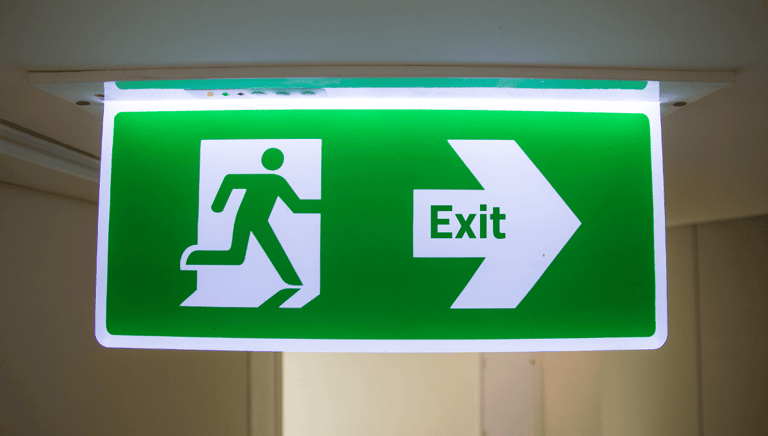
Life is unpredictable. Earthquakes, floods, fires, or even power outages can disrupt daily routines in an instant. Without a plan, panic takes over, leading to poor decisions and unnecessary risks.
A personal emergency plan is more than a checklist; it’s a roadmap tailored to your household. It covers how to react in the first critical minutes, how to stay safe during the crisis, and how to recover afterward. Unlike generic advice, your plan should be tailored to match your specific location, environment, health needs, and lifestyle.
A personal emergency plan isn’t about living in fear; it’s about living with confidence. It equips you with clarity when chaos strikes. Just like you keep insurance for your car or home, a well-designed plan serves as "life insurance for your preparedness."
This guide will walk you through five essential steps to building your personal emergency plan. Whether you live alone, with roommates, or with family, the principles stay the same. By the end, you’ll have a clear framework to face the unexpected with confidence.
Why Every Household Needs an Emergency Plan
Before you start stockpiling gear, you need clarity on what you’re actually preparing for. Emergency risks vary widely depending on where you live. A coastal resident may prioritize hurricane readiness, while someone in California must think about earthquakes and wildfires. Rural households may face medical emergencies far from hospitals, while city dwellers may deal with power outages or civil unrest.
Start with a risk assessment checklist
What natural disasters are common in your area?
What man-made risks (chemical plants, traffic congestion, crime) exist nearby?
What personal vulnerabilities matter: medical needs, children, pets, and elderly family members?
Once you have answers, rank them by likelihood and impact. The goal is not to prepare for everything at once but to focus on the top risks.
Next, clarify priorities
For example, if a family member relies on refrigerated medication, ensuring backup power becomes non-negotiable. If you live in an apartment, knowing multiple exit routes is crucial.
This step is where your plan becomes personal. Copy-paste plans from the internet won’t cut it. You’re designing a survival blueprint shaped by your real-life circumstances.
By mapping risks and priorities early, the rest of your plan won’t feel overwhelming; it will feel relevant, specific, and achievable.
For a complete breakdown of hazards and how to prepare for them, Ready.gov offers clear checklists and guides tailored to U.S. residents.
Globally, the United Nations Office for Disaster Risk Reduction (UNDRR) provides tools to help households and communities identify and reduce risks.
Assess Your Risks and Priorities
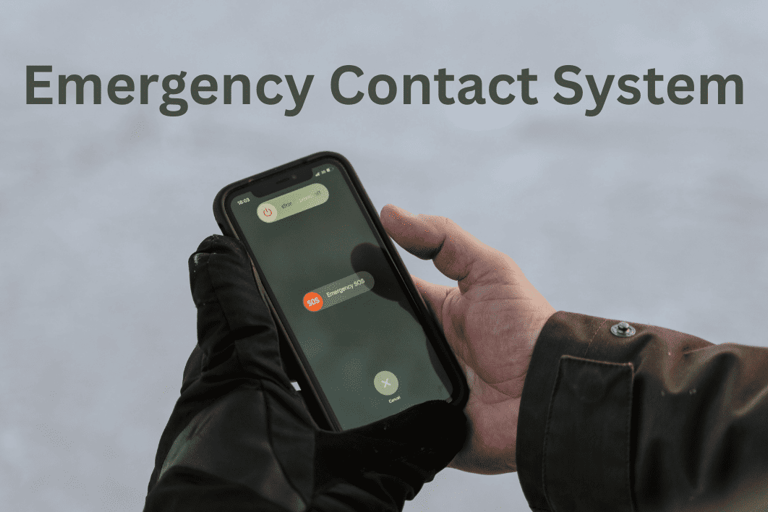
In a crisis, communication is survival. Panic spreads when people don’t know where loved ones are or what to do. That’s why an emergency contact system is one of the first pillars of your personal plan.
Start with a contact card
A simple list of important numbers written on paper, not just stored on your phone. Phones die, but paper survives. Include:
Immediate family and close friends
Local emergency services (fire, police, poison control)
A trusted out-of-town contact (sometimes it’s easier to call long distance than local during disasters)
Work, school, or childcare numbers
Decide on primary and backup communication channels
Text messages often go through when calls fail. Messaging apps with offline or low-data features can help. Two-way radios are useful if cell towers go down.
Create a family communication plan
Where will everyone meet if separated? How will children reach you? Who can act as a safe backup guardian?
Don’t just write this down, practice it
A five-minute drill once a month makes sure everyone knows the plan by heart.
Communication is the glue that keeps the rest of your emergency strategy together. With clear contacts and fallback methods, you avoid isolation and confusion.
Build Your Emergency Contact System
Supplies are the backbone of readiness, but here’s the trap many people fall into: hoarding gear without a clear strategy.
A personal emergency kit should be compact, efficient, and tailored to your needs.
Start with the 72-hour go-bag
A backpack ready to grab at a moment’s notice. It should include:
Water (bottles or a filter system)
Non-perishable food (energy bars, canned goods)
First-aid kit
Flashlight with extra batteries or solar-powered lantern
Multi-tool or knife
Personal hygiene supplies
Copies of documents (IDs, insurance, medical info)
Clothing layers, a poncho, and sturdy shoes
Cash in small bills
Then consider special needs
Medication, baby formula, pet supplies, or glasses. These make the kit personal rather than generic.
A well-prepared go-bag isn’t about paranoia. It’s about making sure when the unexpected happens, you don’t waste time scrambling, you act.
If you or a loved one has specific health needs, the CDC provides specialized guidance for individuals with disabilities on how to build a safe and personalized emergency plan.
Beyond the bag, secure your home itself
Install smoke detectors, carbon monoxide alarms, and fire extinguishers in key spots.
Reinforce doors and windows if you live in storm or quake-prone areas.
Store extra water (at least one gallon per person per day for three days)
Keep backup power, such as solar chargers or hand-crank radios.
A well-prepared home isn’t just safer; it also provides a fallback when evacuation isn’t possible.
Eco-friendly options matter too
Reusable water bottles, biodegradable soaps, and rechargeable batteries reduce waste and align with sustainable living.
Just as important, protect your documents
Birth certificates, IDs, insurance papers, medical records, and financial information should be stored in waterproof, fireproof containers. Keep copies in your go-bag and digital versions on an encrypted drive or secure cloud service. These records are often essential for recovery after the crisis.
Prepare Your Go-Bag, Secure Your Home, and Document Protection
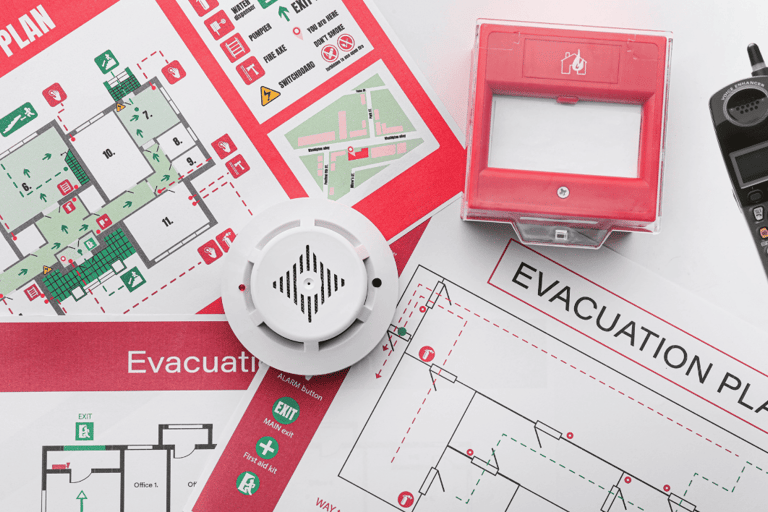
When danger strikes, knowing where to go is as critical as what you carry. Evacuation chaos is one of the biggest risks during disasters, and a clear plan reduces that chaos.
Start inside your home
Identify two exits from every room, especially bedrooms. If you have upper floors, plan for ladders or safe stairwells. Mark exits clearly and teaches everyone how to use them.
Then move to your neighborhood
Map out primary and secondary evacuation routes. Roads may be blocked, so having backup paths is crucial. Share this map with your household and keep copies in your go-bag.
Next, define safe zones
In-home
A safe room or basement where you can shelter in place during storms or chemical spills.
Local
A nearby park, library, or community center.
Regional
A shelter, a relative’s house, or a designated meeting spot outside your city.
Practice these routes with drills
Determine how long it takes to evacuate. Walk the paths at night or in bad weather to understand real-world challenges.
For eco-conscious households
Consider routes that pass through community gardens or shared green spaces—places where neighbors gather, and resources may be available.
Escape planning isn’t fear-driven. It’s about replacing panic with a clear sense of direction when every second counts.
For California residents, Cal OES shares local evacuation maps, real-time alerts, and shelter information.
Elsewhere in the world, the International Federation of Red Cross and Red Crescent Societies provides country-specific resources to help people plan for evacuations and recovery.
Plan Your Escape Routes and Safe Zones
A plan that just sits on paper is as good as no plan at all. Real preparedness means practice.
Schedule regular emergency drills
Fire drills at home, mock blackouts where you live without power for a few hours, or evacuation walk-throughs with your family. The goal isn’t perfection but building muscle memory.
After each drill, review:
What worked? What felt confusing? What supplies were missing? Write down lessons and update your plan.
Your plan should also evolve with life changes
New family members, health conditions, pets, or relocations all affect preparedness. Update your contact list, go-bag, and escape routes at least once a year.
Stay informed, too:
Sign up for local emergency alerts, weather updates, and community preparedness programs. Some towns offer free training in first aid, fire safety, or disaster response—valuable additions to your skill set.
Eco-conscious adjustments matter here as well
Replace expired batteries with rechargeables, rotate food with sustainable options, and minimize plastic waste by reusing containers.
Preparedness isn’t about living in fear. It’s about building confidence through action. The more you practice and update, the more your plan becomes second nature; a safety net always ready to catch you.
Practice, Review, and Update Your Plan
Creating a personal emergency plan isn’t just a survival skill; it’s an act of responsibility. You’re not just protecting yourself but also reducing the burden on emergency services and supporting your community.
A strong plan blends:
Awareness (knowing your risks),
Communication (staying connected),
Supplies (being equipped),
Escape routes (moving smartly), and
Practice (staying sharp).
Together, these steps form a safety shield around your household.
On Your Green Road, preparedness also means staying sustainable. Consider Eco-friendly choices, solar chargers, reusable supplies, and low-waste kits, and ensure your survival plan doesn’t come at the planet’s expense
The reward is peace of mind. You don’t have to wonder what you’ll do when disaster strikes—you already know. That’s the true power of a personal emergency plan.
To stay informed on global emergencies and disaster readiness, bookmark ReliefWeb and the Global Disaster Preparedness Center. Both offer multilingual updates, case studies, and practical tools for individuals and communities.
Conclusion

Watch: In this TED talk, Shushan Arora discusses how the most effective emergency alerts come from us. Arora argues that we should rethink communication and community resilience and believe in the power of personal preparedness.