Exploring Global Cultures: Unlocking Local Wisdom for a Richer Life Experience
Discover strategies for responsible tourism, cultural immersion, and integrating global traditions into modern living
DISCOVER ON THE ROAD
Table of Contents
Why Culture Is the Key to Understanding the World
Going Beyond the Tourist Trail
Traditional Wisdoms: Lessons Worth Carrying Home
Food, Art, and Storytelling in Cultural Connection
Respecting Cultural Boundaries
Bringing Cultural Lessons into Your Own Life
Conclusion


Travel often begins with curiosity, a desire to see new places and meet new people. But true exploration is not just about landscapes or monuments; it’s about understanding the cultures that give these places their identity. Global cultures are living stories, woven from generations of tradition, history, and values.
In our modern world, where technology makes it possible to connect across continents in seconds, the need to preserve and understand local wisdom is more important than ever. These cultural gems, whether it’s an indigenous tribe’s herbal medicine knowledge, a farmer’s seasonal planting techniques, or a community’s oral history, are often rooted in sustainability, harmony with nature, and social connection.
When we explore global cultures with openness and respect, we discover more than just "how others live." We uncover reflections of our own humanity, find solutions to modern challenges, and enrich our personal growth. In this article, we’ll take you beyond sightseeing, into the heart of cultural immersion, offering strategies to connect deeply with communities and integrate their wisdom into your daily life.
Why Culture Is the Key to Understanding the World
To discover authentic cultural experiences, you need to move past the curated images sold in travel brochures. Instead of following the standard itinerary, consider engaging directly with local communities.
One effective approach is slow travel, spending more time in one place to observe, learn, and participate in daily routines. Staying in family-owned guesthouses or participating in community-based tourism initiatives opens the door to real interactions. You might share tea with a shop owner, help harvest crops, or attend a local wedding.
Local markets, public transportation, and small cafes are excellent entry points into everyday life. Even something as simple as learning basic phrases in the local language can break barriers and create trust. Respect is key, showing interest in people’s stories without reducing them to "exotic" curiosities fosters genuine connection.
When you immerse yourself in local life, you’re not just a visitor, you become a temporary participant in the cultural rhythm of the place. This kind of travel experience stays with you far longer than a photo of a landmark ever could.
Going Beyond the Tourist Trail

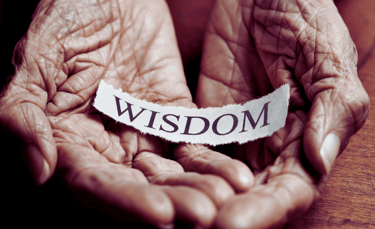
Every culture has knowledge shaped by centuries of trial, error, and adaptation to its environment. This traditional wisdom is a treasure chest for those willing to listen.
For instance, Japanese "Shinrin-yoku" or forest bathing teaches the health benefits of immersing oneself in nature. Scandinavian "Hygge" emphasizes comfort, simplicity, and togetherness, while African proverbs offer profound life guidance in just a few words. Indigenous agricultural practices, like crop rotation and seed preservation, hold keys to sustainable living in the face of climate change.
When traveling, take the time to learn about these traditions through workshops, local storytellers, or guided community projects. Document what you learn, and reflect on how these ideas might benefit your own lifestyle.
The value lies not in romanticizing these traditions but in understanding their roots. Often, they emerge from necessity, respect for nature, and strong community ties, values that the modern world urgently needs to revisit.
Traditional Wisdoms: Lessons Worth Carrying Home
Food, art, and storytelling are universal languages. They allow us to connect with cultures even without speaking a single word of the local language.
Sampling traditional dishes tells the story of a place’s geography, trade history, and climate. A bowl of Moroccan couscous reflects centuries of Berber traditions, spice routes, and family gatherings. Street art in Mexico City tells stories of political struggles and cultural pride. Folktales in rural Ireland pass on history and moral lessons through generations.
Participating in cooking classes, attending local art festivals, or listening to traditional music opens a sensory window into cultural identity. You’re not just consuming, you’re experiencing the creativity, resilience, and spirit of a community.
The important step is to approach these moments with curiosity and humility. Instead of comparing them to what you know, ask yourself: What is this teaching me about the people and their world?
Food, Art, and Storytelling in Cultural Connection


Exploring global cultures requires awareness and sensitivity. Not every tradition is meant for outsiders to participate in, and not every story should be shared without permission.
Responsible tourism begins with asking before taking photos, dressing appropriately, and respecting sacred spaces. It also means supporting local economies by choosing ethical tour operators (you’ll learn how to identify them below), buying handmade goods directly from artisans, and avoiding exploitative activities.
Cultural respect is also about acknowledging that you are a guest. This mindset encourages humility and gratitude, fostering exchanges that benefit both you and the community.
Another vital aspect is sustainability. Over-tourism can erode cultural heritage and strain resources. Choosing less popular destinations, traveling off-season, and limiting environmental impact are ways to ensure your journey contributes positively rather than disruptively.
How to Recognize Ethical Tour Operators
Finding a tour operator that truly aligns with responsible values can make a huge difference in your cultural experience. Here are some signs to look for:
Transparency
Ethical operators explain where your money goes, showing how much supports local communities, guides, and conservation projects.
Community Involvement
They hire local guides, source food from local markets, and involve artisans directly, ensuring your presence benefits the host community.
Respect for Culture & Nature
They avoid activities that exploit people or animals, instead promoting authentic and respectful encounters.
Certifications & Memberships
Look for recognized eco-tourism certifications such as Travelife, Rainforest Alliance, Global Sustainable Tourism Council (GSTC), or memberships like The International Ecotourism Society (TIES).
Reviews & Testimonials
Independent feedback on platforms like TripAdvisor or Responsible Travel often highlights whether an experience was respectful and sustainable.
Sustainability Practices
They limit group sizes, reduce waste, and promote eco-friendly transport options.
By choosing such operators, your travel becomes a force for good, empowering local communities while safeguarding traditions and the environment.
Respecting Cultural Boundaries
Cultural exploration doesn’t end when you return home. The true reward comes when you apply what you’ve learned.
You might incorporate sustainable cooking methods from Italy, morning meditation from Thailand, or community sharing practices from rural Kenya into your daily life. This not only enriches your personal lifestyle but also keeps the spirit of those experiences alive.
Sharing your learnings, whether through storytelling, blogging, or community events, spreads appreciation for cultural diversity. It also encourages others to travel mindfully and seek deeper connections.
By following these practices, you’ll move from being just a traveler to becoming a student of humanity, someone who not only appreciates global cultures but also carries their wisdom into everyday life.
Bringing Cultural Lessons into Your Own Life
Discovering global cultures is an invitation to grow, not just as a traveler, but as a human being. It’s about more than collecting souvenirs; it’s about collecting stories, values, and wisdom that help us live with greater empathy, creativity, and responsibility.
When you approach travel with curiosity, humility, and respect, you gain more than memories; you gain a global perspective that shapes every decision you make.
In an interconnected world, local wisdom is a powerful resource for solving modern challenges. By listening, learning, and integrating these lessons, we each have the opportunity to become not just visitors, but caretakers of a shared human heritage.
Conclusion

Watch: In this recent TEDx talk, Thor Pedersen shares how traveling around the world revealed the deep kindness, adaptability, and connection possible across cultures