Digital Nomad Lifestyle: How to Balance Remote Work and Full-Time Travel
This in-depth guide breaks down how to balance remote work with full-time travel without burning out
DISCOVER ON THE ROADMOST RECENT
Table of Contents:
Why the Digital Nomad Lifestyle Is Booming
Choosing the Right Remote Job That Suits Your Lifestyle
Setting Up a Mobile Office That Works Anywhere
Mastering Time Management While Exploring the World
Living Smart: Budgeting, Accommodation, and Travel Hacks
Dealing With Loneliness, Burnout, and Culture Shock
Conclusion
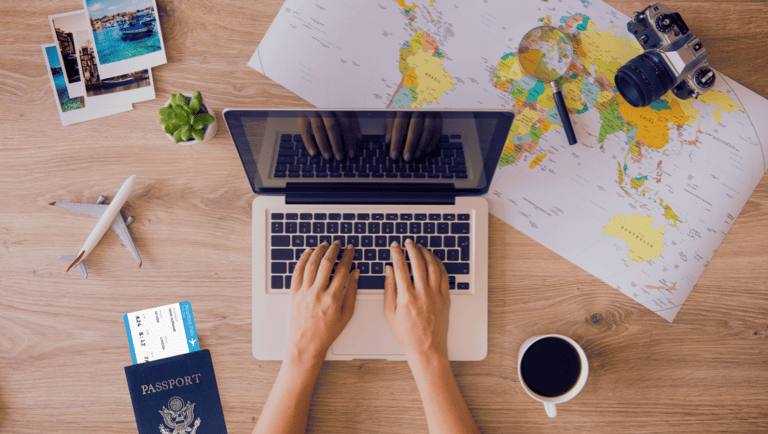
The rise of remote work has sparked a major shift in how we think about where and how we live. With a laptop and stable Wi-Fi, the office can be a beachside café in Bali, a co-working space in Lisbon, or a mountain lodge in Peru. The digital nomad lifestyle offers freedom, adventure, and flexibility, but it also comes with serious responsibilities and trade-offs.
What used to be a fringe lifestyle for travel bloggers and freelancers has gone mainstream. According to multiple global studies, the number of people identifying as digital nomads has more than tripled in the last five years. Companies are embracing remote-first models, and countries are rolling out special "digital nomad visas" to attract this growing class of working travelers.
But behind the Instagrammable sunsets and #workfromwherever posts is a real question: How do you actually balance work and travel? Because digital nomadism isn't a vacation, it’s a lifestyle. That means managing deadlines, meetings, mental health, and money while constantly adjusting to new time zones, cultures, and logistics.
This guide breaks down how to make the digital nomad lifestyle work long-term. From picking the right job and setting up a mobile office, to managing time and energy, we’ll show you how to travel the world without dropping the ball on your career.
Why the Digital Nomad Lifestyle Is Booming
Not all remote jobs are created equal, especially for digital nomads. Some roles offer full autonomy, while others tether you to a schedule that could clash with your time zone or travel rhythm. The key is to choose work that gives you flexibility and financial stability.
What to Look for in a Nomad-Friendly Job
Asynchronous communication
Avoid roles that require daily stand-up meetings or fixed hours.
Project-based work
Jobs where deliverables matter more than desk time are ideal.
Portable skill sets
Web development, copywriting, graphic design, marketing, and customer support are some of the most mobile-friendly careers.
Ideal Job Types for Digital Nomads
Freelance gigs (e.g., Upwork, PeoplePerHour)
Remote employment with international startups
Content creation (YouTube, blogging, course building)
Online coaching or consulting
SaaS product support or sales
Start by auditing your current skill set. Then ask: Can this be done from anywhere, on my schedule, and for global clients? If not, look into upskilling.
Choosing the Right Remote Job That Suits Your Lifestyle
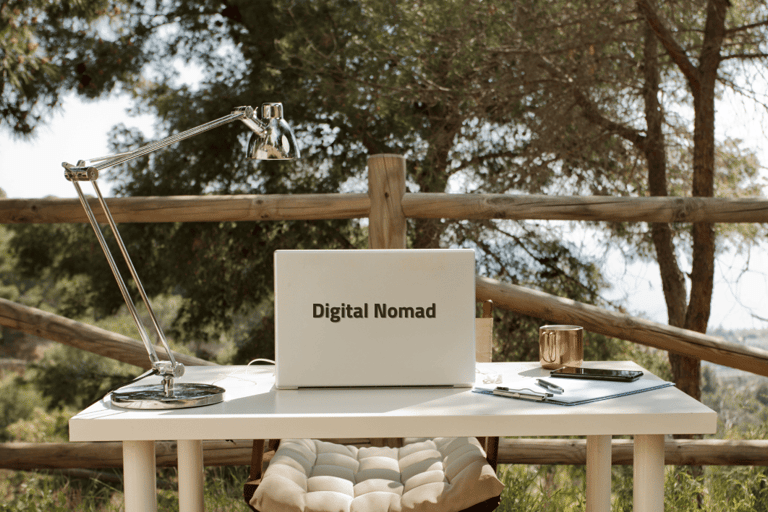
Your office travels with you. That means every piece of tech and gear needs to earn its place in your backpack.
Essential Gear for Digital Nomads
Laptop: A lightweight but powerful one.
Noise-canceling headphones: For focus in chaotic environments
Portable Wi-Fi or SIM cards: To help you keep connected
Laptop stand and external keyboard: For ergonomics on the go
Power bank & universal adapter: Never run out of juice or the right plug
Work from places where productivity can actually happen. Co-working spaces, digital nomad hubs, and even cafés with solid Wi-Fi can be ideal, just have a backup plan for internet outages or noisy surroundings.
Use a good VPN for secure access to your files and services. For file storage, Dropbox or Google Drive is key. Cloud-based tools like Notion, Slack, and Zoom keep you synced.
A mobile office setup that’s fast, reliable, and distraction-resistant is the difference between thriving and floundering as a nomad.
Setting Up a Mobile Office That Works Anywhere
Balancing adventure and deadlines isn’t easy. You’re constantly tempted to go explore a new city or hike that mountain trail instead of diving into a spreadsheet. But good time management is what allows you to keep living this lifestyle sustainably.
Top Strategies
Time-block your days
Set hours for work and hours for play, then stick to them.
Leverage time zones
If your clients are sleeping while you work, you gain quiet focus hours.
Batch similar tasks
Knock out deep work in 2–3 hour blocks, then reward yourself with exploration.
Avoid These Common Pitfalls
Working sporadically every day without rest
Overcommitting to both client work and travel plans
Underestimating how exhausting constant movement can be
Use Mondays to plan your week. Block off time for laundry, travel days, and downtime. Productivity isn’t about working more; it’s about working smart, so you can enjoy where you are.
Mastering Time Management While Exploring the World
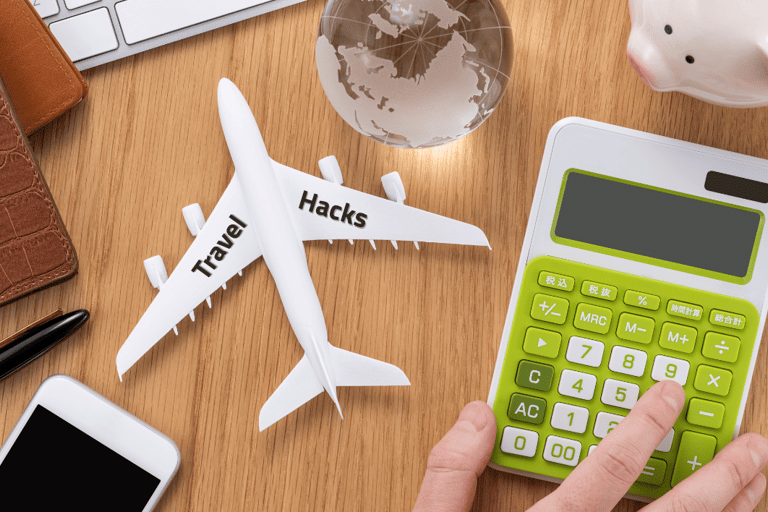
Living like a nomad doesn’t mean spending like a tourist. If you’re not careful, full-time travel can bleed your bank account dry.
Smart Budgeting
Use expense trackers
Stick to daily spending limits
Book flights and stays in advance when possible
Accommodation Hacks
Stay long-term in places for discounts
Use house-sitting services like TrustedHousesitters
Look for hostels or apartments with coworking areas
Travel Efficiency Tips
Travel slowly (1–2 months per location)
Use a carry-on only to avoid fees and stress
Take overnight buses/trains to save on hotels
Budgeting well means more freedom in the long term. You don’t have to be rich to be a digital nomad; you just need to spend smart.
Living Smart: Budgeting, Accommodation, and Travel Hacks
It’s not all beaches and bougainvillea. Loneliness creeps in. Burnout can hit hard. And culture shock is real, even if you love the place you’re in.
Managing Mental Health
Build routines: Morning and/or evening rituals, exercise, journaling
Schedule social time: Join nomad communities, meetups, and coworking spaces
Take digital detox days regularly
Combatting Burnout
Travel slower and stay longer
Take time off between contracts or sprints
Set boundaries with clients and teams
Culture Shock Tips
Learn a few words in the local language
Embrace being uncomfortable; it means you’re growing
Keep an open mind and flexible attitude
There’s no shame in needing stability now and then. It’s okay to return home, rent a long-term apartment, or take a break from movement. Being a digital nomad is about freedom, including the freedom to pause and reset.
Dealing With Loneliness, Burnout, and Culture Shock
Digital nomadism is more than a phase—it can be a lifestyle. But only if it’s sustainable. That means choosing work that fits your life, building systems that support your productivity, and being honest about your limits.
Yes, it’s challenging. But it’s also one of the most rewarding ways to live. You gain autonomy, perspective, and experiences most people only dream about. Just remember: balance is everything.
Stay connected. Stay grounded. And keep evolving your routine as you go. The world is wide, and your work can come with you.
Conclusion

Watch: In this TEDx talk, Nora Dunn, an 18‑year nomad, shares what truly sustains a life on the move and how to avoid the burnout that trips most first-timers.