Daily Movement Made Easy: Simple Routines to Stay Active in a Busy Life
Quick, practical routines to keep your body moving daily—even with a packed schedule. Stay energized, healthy, and stress-free
HEALTH & WELLNESSMOST RECENT
Table of Contents:
Why Movement Matters More Than Ever
The Magic of Small Steps: How Micro-Movements Add Up
Morning Boosters: Setting the Tone for the Day
Desk-Friendly Workouts: Moving While You Work
Sneaky Fitness: Turning Daily Tasks into Exercise
Evening Wind-Down: Movement for Stress Relief and Better Sleep
Conclusion
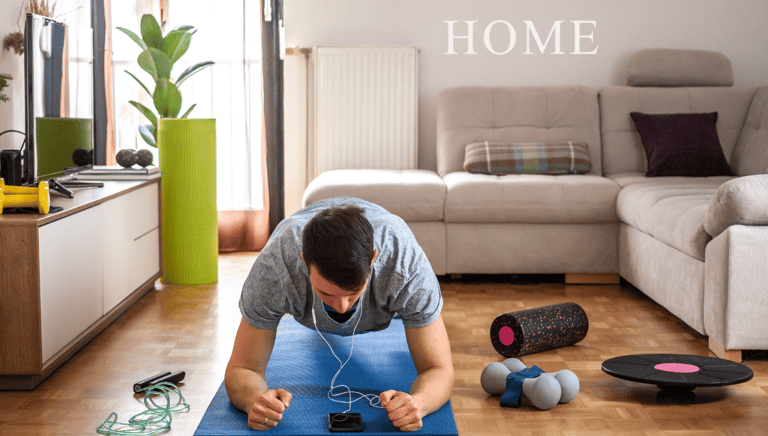
Modern life keeps us glued to screens, sitting for long stretches. This lack of movement takes a toll—tight muscles, low energy, poor posture, and higher risks of chronic disease. But here’s the good news: you don’t need hours at the gym to stay healthy.
Daily movement doesn’t have to be complicated or time-consuming. It’s about building small, consistent routines that fit naturally into your lifestyle. Whether it’s a quick stretch before coffee, a brisk walk between meetings, or squats while the kettle boils—these micro-moments add up.
Your Green Road is all about realistic, sustainable wellness. In this guide, you’ll learn simple movement routines you can do anywhere, anytime. You’ll also see how movement benefits more than just your body—it boosts mood, sharpens focus, and lowers stress.
Why Movement Matters More Than Ever
Most people assume health requires a gym membership or a 60-minute workout. But research shows that short, frequent movements throughout the day can be just as powerful. The real problem isn’t only a lack of exercise—it’s too much sitting. Even daily gym-goers can undo progress if they stay seated for 8 hours straight.
Why Small Moves Matter
Blood sugar and metabolism: A 2-minute walk every half hour helps control blood sugar, improve circulation, and sharpen focus.
Better circulation: Standing up or stretching once an hour keeps blood flowing and prevents swelling.
Joint health: Simple moves like calf raises or shoulder rolls stop muscles and joints from stiffening.
Big-picture health: Breaking up sitting time lowers your risk of heart disease and early death—even if you already exercise.
Easy Ways to Add Movement Into Daily Life
Take the stairs instead of the elevator.
Stand during phone calls.
Do 10 squats while waiting for the microwave.
Park farther from the entrance and walk the extra steps.
Brush your teeth while standing on one leg to build balance.
Walk over to a coworker instead of sending a quick message.
Stretch your arms overhead each time you refill your water bottle.
Think of movement like “snacks” instead of one big meal. A little here, a little there, and it adds up fast. The secret isn’t doing more at once—it’s doing something often. Small steps, repeated daily, protect your health and give you more energy than you’d expect.
The Magic of Small Steps: How Micro-Movements Add Up


Your morning routine sets the pace for the rest of your day, so it's important to get it right. Even 5 minutes of movement can wake up your body and prime your brain.
Try this quick flow before breakfast:
Neck rolls – release tension from sleep.
Shoulder shrugs – open up the chest.
Cat-cow stretch – loosen the spine.
Squats or lunges – fire up large muscles.
Deep breathing – finish with calm, focused attention.
This routine gets blood flowing, oxygenates your brain, and boosts alertness. You’ll carry more energy into your day and avoid the mid-morning slump.
If you have more time, add a brisk 10-minute walk or a short yoga sequence. Even better, take it outside to soak up sunlight and reset your body clock.
Morning Boosters: Setting the Tone for the Day
If your job ties you to a desk, it doesn’t mean you’re stuck. Desk-friendly routines keep muscles active, posture aligned, and energy steady.
Try these invisible workouts.
Seated marches: Lift knees under the desk to activate core and legs.
Shoulder blade squeezes: Pull shoulders back for better posture.
Wrist stretches: Counteract typing strain.
Set a reminder every 60–90 minutes to take a stretch break or go for a walk. Even walking to refill your water bottle counts.
Bonus tip: Consider a standing desk or an under-desk elliptical. Small tools can make a big difference in how your body feels after a long day.
Desk-Friendly Workouts: Moving While You Work
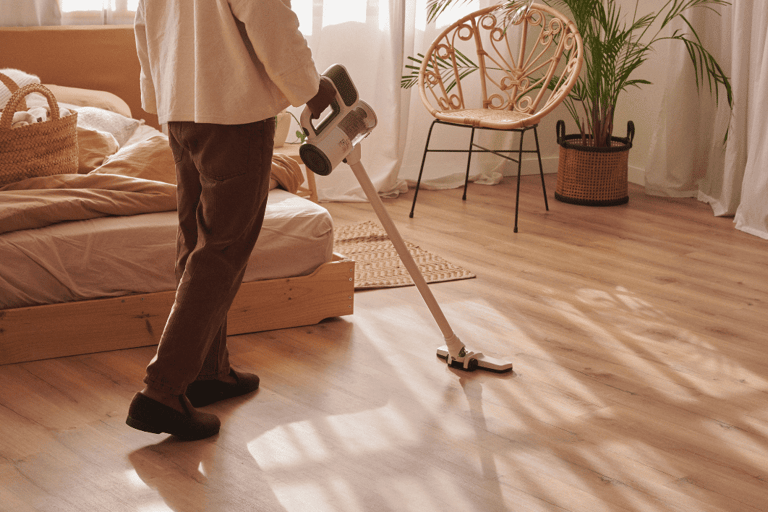
You don’t need "extra" time for fitness—you can build it into what you’re already doing. Everyday chores double as mini workouts when you tweak your approach.
Examples:
Grocery bags = weight training. Carry bags evenly, and you’re doing farmer’s carries.
Vacuuming = cardio. Add lunges as you push and pull.
Cooking = stretch time. Do calf raises or wall push-ups while waiting for water to boil.
TV time = movement breaks. Knock out planks or stretches during commercials.
This mindset shift turns life into your gym. Instead of waiting for perfect conditions, you repurpose ordinary moments for better health.
Sneaky Fitness: Turning Daily Tasks into Exercise
Evenings are a chance to shake off the day’s tension and set yourself up for restful sleep. Gentle, restorative movement works wonders.
Here’s a calming 10-minute routine
Forward fold stretch – releases hamstrings and spine.
Hip openers – counteract hours of sitting.
Child’s pose – relaxes the nervous system.
Legs up the wall – reduces swelling and promotes calm.
Pair stretches with slow breathing or mindfulness. You’ll notice stress easing and your mind quieting down, preparing you for deeper sleep.
If you’re restless, a slow evening walk outdoors can do the trick. It helps digest dinner, balances blood sugar, and clears mental clutter.
Evening Wind-Down: Movement for Stress Relief and Better Sleep
Staying active doesn’t mean carving out hours; it means weaving movement into your life. Morning boosters, desk breaks, sneaky fitness, and calming evening routines all add up.
The key? Consistency over intensity. You don’t need perfection—just progress. A few mindful movements each day will energize your body, sharpen your mind, and improve long-term health.
Start small. Pick one routine from this guide and try it today. Over time, these habits compound into a healthier, more energized version of you.
Conclusion

Watch: In this inspiring TEDx talk, "Snack on Exercise – Boost Your Mind, Body and Mood," Lauren Parsons champions the idea of "exercise snacks"—brief bursts of activity sprinkled throughout the day. Whether it’s a quick stretch, a mini walk, or a few lunges, these tiny moments can consistently boost your energy, mood, and overall health